

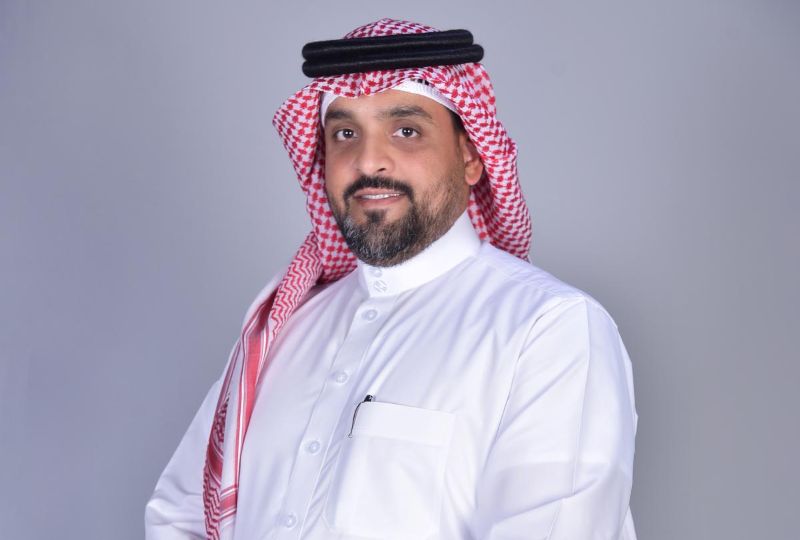
As global finance pivots towards sustainability and digitalisation, the Bahrain-based General Council for Islamic Banks and Financial Institutions (CIBAFI) is leading the transition. The GDN caught up with the new CIBAFI secretary general, Hamza K Bawazir, to discuss the industry body’s roadmap for protecting the sector’s ethical core while embracing AI and climate action.
When asked about CIBAFI’s primary goals for the coming years, Mr Bawazir stated that the main objective is to solidify the value proposition of Islamic finance as the premier global model for ethical, sustainable and inclusive financial services.
To safeguard the industry’s distinct identity, he explained that the organisation is actively promoting its foundational philosophy through advocacy with regulators, ensuring that financial institutions contribute meaningfully to the real economy and societal well-being.
“We also engage with international standard-setters so that emerging global regulations recognise and protect the structural differences of Islamic finance,” Mr Bawazir noted. “Furthermore, through certifications and executive programmes, we develop leaders who combine technical competence with moral accountability. This ensures banks are guided by professionals who understand both commercial excellence and the industry’s ethical identity.”
In response to queries regarding technology and climate change, Mr Bawazir emphasised that technology has become the new competitive frontier and a critical enabler of financial inclusion. He referenced the Global Islamic Bankers’ Survey (GIBS) 2025, which highlights that while awareness of AI is growing, Islamic banks remain at an early stage of adoption.
“CIBAFI is committed to supporting banks in accelerating their digital journeys in a structured, Sharia-aligned manner,” he said. To address this, the organisation is utilising executive education – notably its flagship programme with Ivey Business School – and practical tools like the Digital Momentum Guideline Report launched in mid-2025. This framework helps banks prioritise emerging technologies while remaining aligned with Islamic principles.
Regarding environmental action, the secretary general described fighting climate change as both a moral imperative and a strategic priority rooted in the principle of stewardship. “A cornerstone of this effort is CIBAFI’s Greenhouse Gas (GHG) Measurement and Reporting Tool, which enables banks to quantify financed emissions and identify high-emission sectors within their portfolios,” he added. “This is reinforced by our Sustainability Practices Guide, which provides a framework to embed sustainability across financing and investment functions.”
On the topic of social impact, Mr Bawazir noted that while Islamic finance is anchored in values like Zakat and Waqf, these tools remain underutilised. He explained that CIBAFI acts as a catalyst by raising awareness through high-level platforms and recognising leadership via the CIBAFI Awards.
“We facilitate peer learning through our research, which captures industry practices and emerging trends in social finance,” he explained. “Additionally, through targeted technical workshops with regulatory authorities, we provide practical capacity building to help banks structure and scale social finance initiatives that enhance financial inclusion.”
Addressing CIBAFI’s role as an “ethical watchdog,” the secretary general asserted that the integrity and independence of Sharia scholars are paramount. The organisation provides specialised training and certification, such as the Certified Islamic Specialist in Sharia Auditing, to ensure scholars understand both classical jurisprudence and complex modern financial products.
Finally, Mr Bawazir outlined his strategy for the next generation, stressing that the industry’s future depends on professionals fluent in Islamic finance, technology and sustainability.
“We are investing in technology-enabled learning pathways, including accessible certifications and a modern e-learning platform,” he concluded. “By meeting tech-savvy audiences on social media and using data to identify skills gaps, we are ensuring the next generation of leaders can navigate Sharia standards and digital disruption with equal proficiency.”
avinash@gdnmedia.bh
&uuid=(email))