

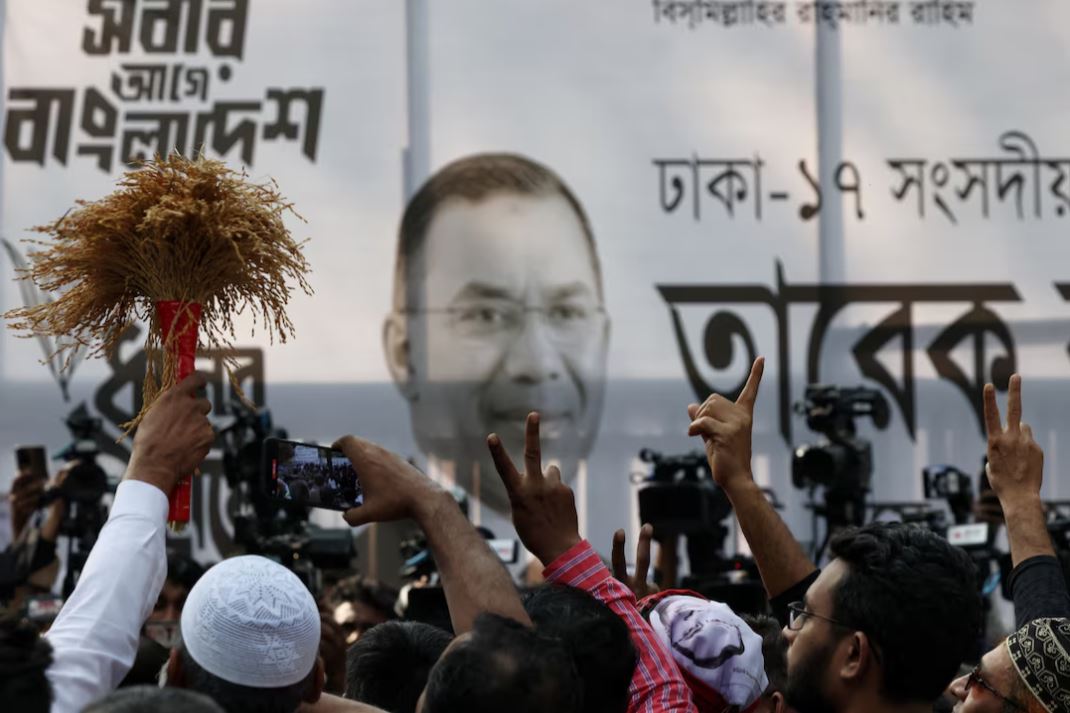
Bangladesh’s opposition Bangladesh Nationalist Party won a landslide parliamentary election yesterday, returning to power after nearly two decades and positioning party leader Tarique Rahman to become prime minister as the country emerges from months of unrest and economic disruption.
Rahman, the son of former premier Khaleda Zia and assassinated former President Ziaur Rahman, faces immediate challenges in restoring political stability, reviving investor confidence and rebuilding key industries – including the garment sector – after prolonged turmoil following the collapse of former prime minister Sheikh Hasina’s government in 2024.
An interim government led by Nobel laureate Muhammad Yunus has since been in charge. A clear outcome was seen as key for the nation of 175 million after months of deadly anti-Hasina unrest disrupted everyday life and industries including garment manufacturing. Bangladesh is the world’s second-largest apparel exporter.
“A strong majority gives the BNP the parliamentary strength to pass reforms efficiently and avoid legislative paralysis. That alone can create short-term political stability,” said Selim Raihan, an economics professor at the University of Dhaka.
The official count in a vote viewed as the South Asian nation’s first truly competitive election in years gave the BNP and its allies at least 212 out of 299 seats, the Election Commission said.
The opposition Islamist party Jamaat-e-Islami and its allies won 77 seats in the Jatiya Sangsad, or House of the Nation.
Results for two seats were yet to be declared. The National Citizen Party, led by youth activists who played a key role in toppling Hasina and part of a Jamaat-led alliance, won just six of the 30 seats it contested.
&uuid=(email))