

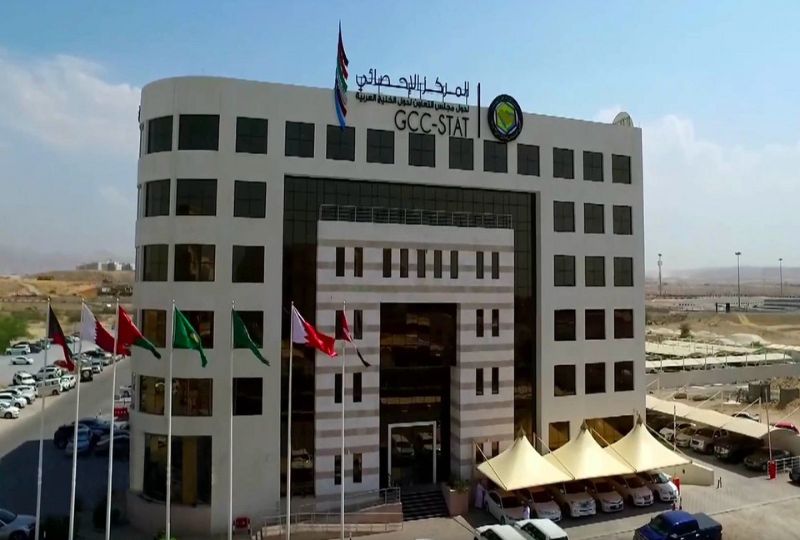
GCC countries have achieved notable progress in the United Nations Sustainable Development Goals (SDGs), outperforming global averages, particularly in the areas of health, education, and basic services, according to data released by the Statistical Centre for the Cooperation Council for the Arab Countries of the Gulf (GCC-Stat).
The data confirmed that GCC countries have nearly eradicated extreme poverty, achieving living standards that exceed international poverty lines, supported by advanced social protection systems that ensure inclusiveness across all segments of society.
In the health sector, indicators showed advanced performance. The maternal mortality rate reached 19.9 per 100,000 live births, compared to the global target of 70, while the under-five mortality rate stood at 10.8 per 1,000 live births versus 25 globally. Universal health coverage reached 100 per cent compared to 68pc globally, and coverage of essential vaccines reached 100pc versus 84pc globally.
In addition, physician density rose to 33.6 per 10,000 population compared to 18.7 globally, reflecting the quality and efficiency of healthcare systems in the region.
In education, GCC countries recorded high rates, with literacy reaching 99.2pc compared to 88pc globally, while pre-primary education enrollment reached 99.8pc compared to 74.4pc globally. Basic services are provided in all schools, alongside full teacher qualification, reflecting strategic investment in human capital.
Regarding infrastructure, GCC countries achieved significant milestones. The proportion of the population with access to safe drinking water reached 100pc compared to 73.7pc globally, while sanitation and water treatment services reached levels close to 100pc in several countries, enhancing environmental and public health sustainability.
The indicators also showed universal access to electricity services at 100pc, compared to 91.7pc globally, alongside increasing reliance on clean technologies.
In terms of safety and stability, GCC countries recorded advanced levels. The homicide rate stood at 0.6 per 100,000 population compared to 5.2 globally, while the rate of victims of human trafficking reached 5.5 versus 38 globally. Additionally, near-complete birth registration has been achieved, reflecting the efficiency of institutional and legal systems.
The data also pointed to challenges related to high energy consumption intensity compared to global levels, highlighting the need to enhance efficiency and accelerate the transition towards renewable energy.
Additional challenges include a higher prevalence of child wasting among children under five, reaching approximately 9.3pc compared to 6.6pc globally, as well as increased per capita hazardous waste and a persistently low labour share of GDP at around 36.6pc compared to global levels.
&uuid=(email))