

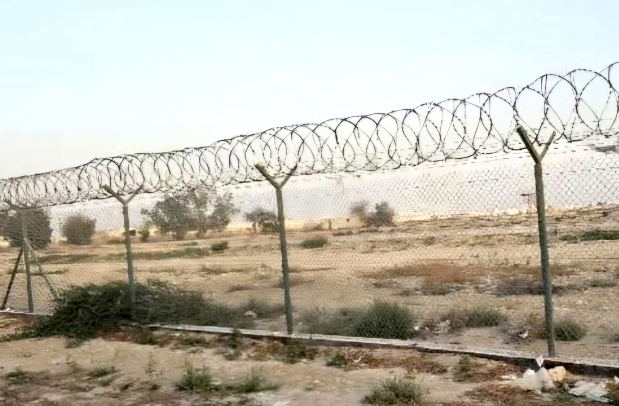
PHEW! Hamala residents are breathing easier after authorities swiftly cleared a large build-up of poultry waste that accumulated during the recent regional turmoil and Iranian aggression on Bahrain, when logistics and operations were severely disrupted.
The material – chicken remains typically ground into powder and exported to Southeast Asian markets for protein products – had piled up near the Hamala livestock pens, creating (fowl) foul smells and an uncomfortable environment for breeders, traders and nearby residents.
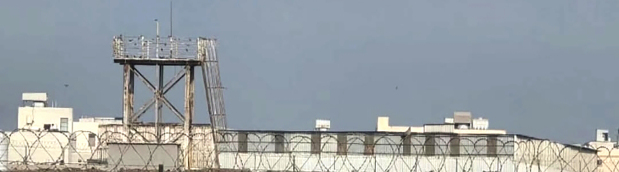
The area prior to clean-up
The breakthrough came after direct intervention by Oil and Environment Minister and Special Envoy for Climate Affairs Dr Mohammed Bin Daina, following a formal complaint by the Livestock Breeders and Traders Committee.
Proteins made from chicken remains, such as bones, cartilage, skin and connective tissues, primarily include collagen, gelatin and keratin. These byproducts are broken down into health supplements, broths and fertilisers using targeted methods like enzymatic hydrolysis, steam explosions, or slow simmering.
Committee chairman Abdulrahman Al Mutawa praised the rapid response to the smelly situation. “The minister made an immediate decision to direct the removal of all the chicken waste and the problem was resolved within three days of continuous work,” he told the GDN. “This shows real commitment to protecting both the environment and the livestock sector.”
He explained that the accumulation happened when normal shipping and handling processes were interrupted amid the crisis, leading to temporary storage turning into an environmental concern.
“We had raised the issue with the relevant authorities, stressing the need to enforce cleanliness regulations and protect the area around the livestock pens,” explained Mr Al Mutawa. “This is not just about comfort – it is about the health for residents and proper conditions for animals.”
Mr Al Mutawa added that the committee was also seeking firmer action against unregulated slaughterhouses and better oversight to prevent similar situations during emergencies.
The Livestock Breeders and Traders Committee also underlined the importance of continued oversight by the Oil and Environment Ministry, noting that while some aspects fall under other authorities, environmental protection must remain a priority whenever possible public health issues appear.
Northern Municipal Council vice-chairwoman and area councillor Zaina Jassim said lessons had been learned.
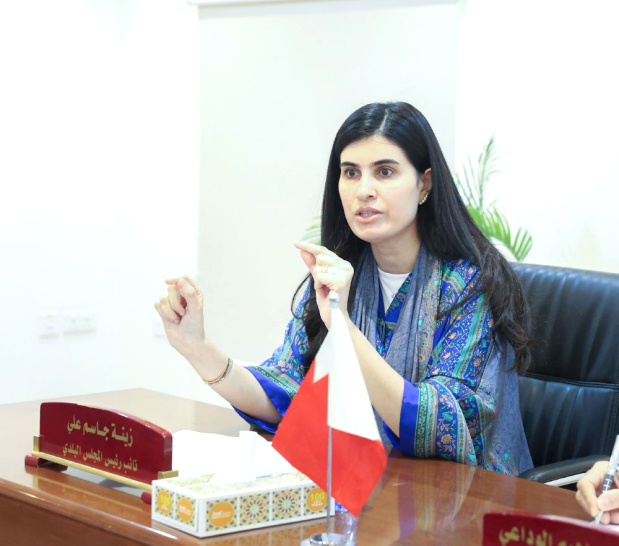
Ms Jassim
“What happened was a result of exceptional circumstances during the regional situation, but we cannot allow such pile-ups to happen again,” she said. “We will work with authorities on controlled stock numbers, proper storage and clear shipping arrangements, especially during emergencies.”
She stressed that co-ordination between municipal, environmental and livestock authorities would be strengthened to ensure rapid response mechanisms are put in place.
For Hamala’s farmers and families, the message is simple: the smell is gone, the area is clean again – and safeguards are now set in motion to ensure it stays that way.
mohammed@gdnmedia.bh
&uuid=(email))