

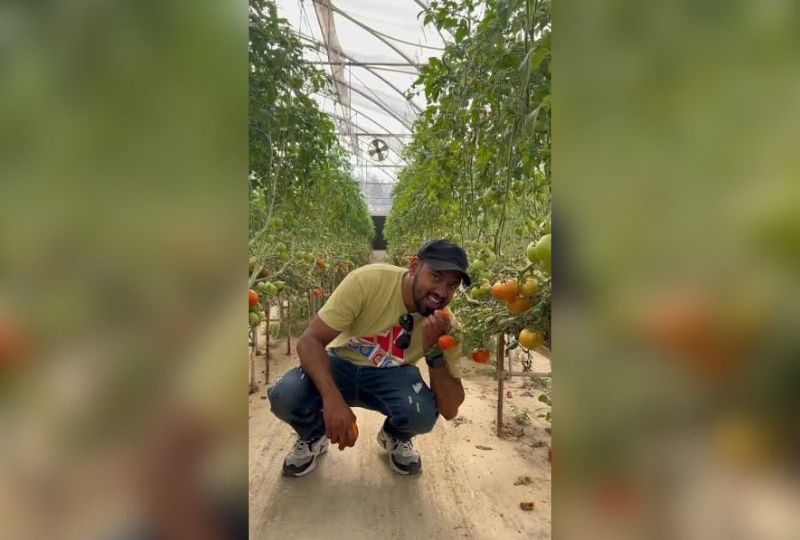
Municipal leaders have called for greater investment in smart farming, saying hybrid crops grown in climate-controlled greenhouses and high-tech vertical farms could transform Bahrain’s agricultural future while boosting food security and overcoming the kingdom’s harsh climate and limited water resources.
Agricultural experts believe hybrid tomatoes, leafy vegetables, herbs, cucumbers, peppers and strawberries are among the crops best suited to Bahrain when cultivated using advanced greenhouse, hydroponic, aeroponic and vertical farming technologies.
The systems dramatically reduce water consumption while protecting crops from soaring summer temperatures, which can exceed 45C, and from the growing challenge of soil salinity.
Northern Municipal Council chairman Dr Sayed Shubbar Al Wedaie said smart farming complements Bahrain’s environmental objectives.
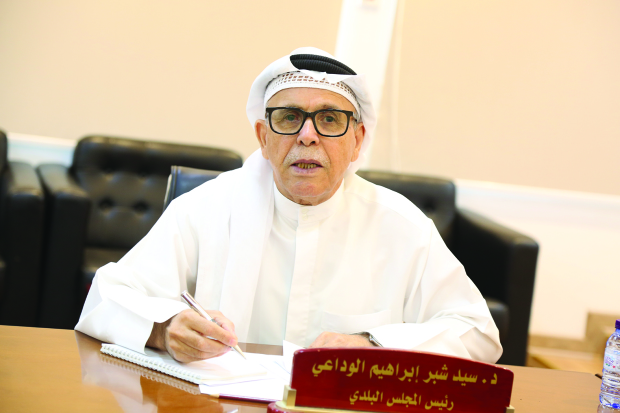
Dr Al Wedaie
“Every drop of water matters,” he said. “Modern farming technologies can reduce water consumption by up to 95 per cent compared with conventional agriculture while significantly increasing crop yields. That makes them essential for a country with limited natural water resources.”
He added that expanding protected agriculture would also reduce dependence on imported fresh produce and strengthen national food resilience.
Southern Municipal Council chairman Abdulla Abdullatif said embracing modern agriculture was no longer a choice but a national necessity.
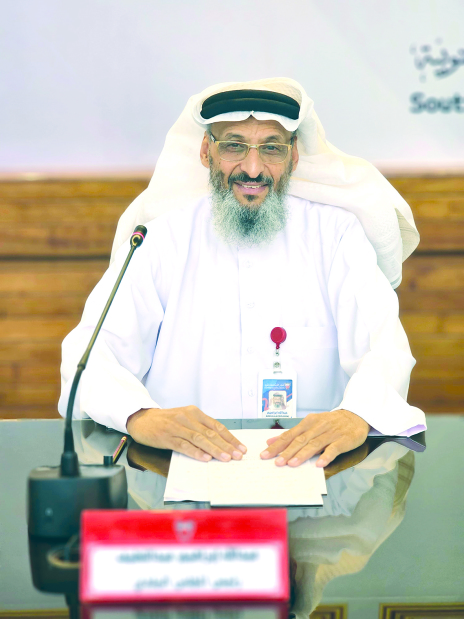
Mr Abdullatif
“Bahrain’s climate presents unique challenges, but it also encourages innovation,” he told the GDN.
“Hybrid crops cultivated inside climate-controlled greenhouses can produce high-quality harvests throughout the year while using a fraction of the water required by traditional farming.
“Food security begins with investing in technology. Hydroponics, aeroponics and vertical farming are helping Bahrain produce more with fewer natural resources.”
Among the most promising crops are disease-resistant hybrid tomatoes, which produce larger and firmer fruit, alongside fast-growing lettuces, spinach and herbs that thrive in hydroponic systems.
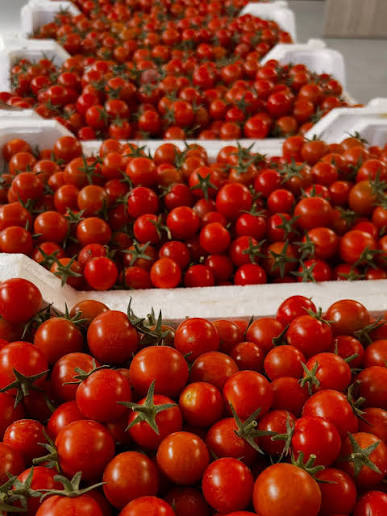
Tomatoes produced in Bahrain
Peppers, cucumbers and strawberries are also proving highly successful when grown in soilless environments using automated fertigation systems that precisely deliver water and nutrients directly to plant roots.
Muharraq Municipal Council chairman Abdulaziz Al Naar said Bahrain had an opportunity to become a regional leader in sustainable agriculture.
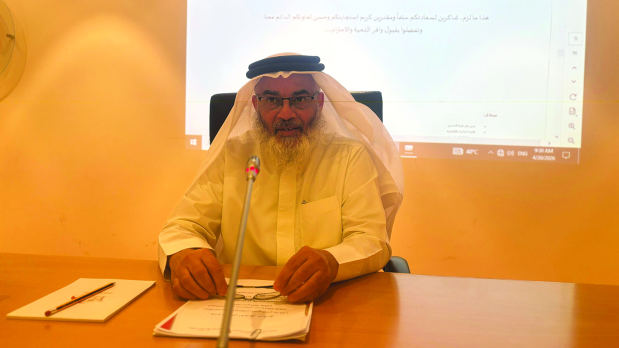
Mr Al Naar
“Our agricultural sector has always adapted to changing circumstances,” he said.
“Today’s farmers are combining traditional knowledge with cutting-edge technology to achieve higher productivity while conserving water resources. This is exactly the direction Bahrain should continue pursuing.”
Capital Trustees Board chairman Saleh Tarradah said urban agriculture should become an integral part of future city planning.
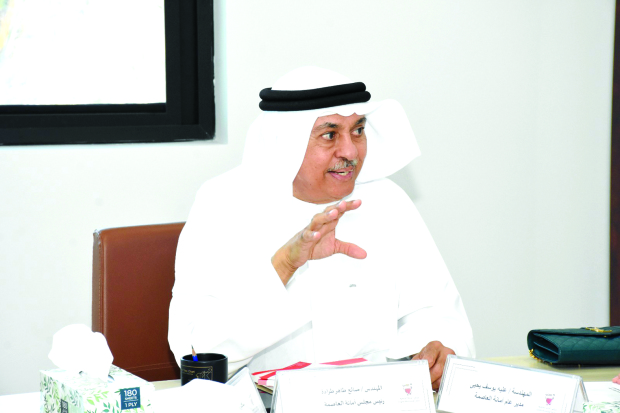
Mr Tarradah
“Vertical farms, rooftop greenhouses and controlled-environment agriculture can be incorporated into modern urban developments,” he said.
“This approach allows fresh produce to be grown closer to consumers, reducing transport costs, lowering carbon emissions and creating greener, healthier communities.”
Across Bahrain, innovative farms are already demonstrating the potential of controlled-environment agriculture by producing premium tomatoes, leafy greens, herbs, cucumbers, peppers and strawberries throughout the year despite extreme weather conditions.
Hydroponic and aquaponic systems recycle water efficiently, while aeroponic technology feeds plants through fine nutrient mist, enabling even greater water savings.
Vertical farming further shields crops from the kingdom’s intense summer heat through temperature-controlled indoor environments equipped with energy-efficient LED lighting.
Municipal leaders believe the wider adoption of these technologies could mark the beginning of a new era for Bahraini agriculture, combining sustainability, innovation and food security to ensure the kingdom continues producing fresh, high-quality crops despite the challenges posed by its arid environment.
mohammed@gdnmedia.bh
&uuid=(email))