

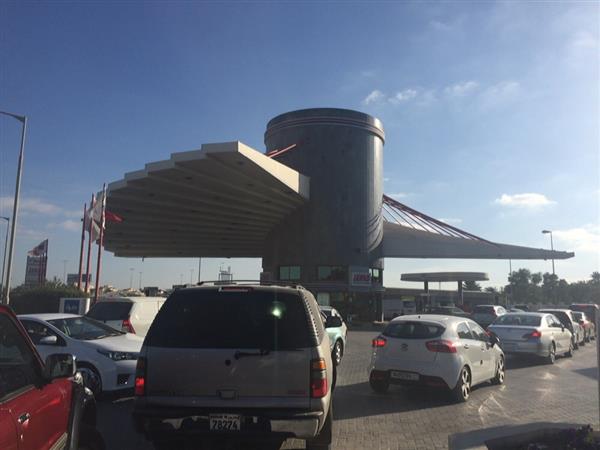
Bahrain boasts the fifth cheapest fuel price in the world and the third cheapest petrol price in the GCC.
Government subsidies in the fuel sector represent more than six per cent of the gross domestic product (GDP).
According to latest statistics released by the Finance Ministry, subsidies pumped into the oil and gas sectors averaged 60pc of the overall government subsidies. The prices of oil by-products remained unchanged for years, as the government kept paying the difference between local and global prices from the general state budget.
The fuel price status quo, however, had a negative impact on the sustainability of national resources.
The national economy also suffered due to the smuggling of diesel to neighbouring countries as the price of diesel was 20pc lower in Bahrain.
The government subsidies of fuel (jayyid and mumtaz), which topped BD41 million last year, are expected to exceed BD66m this year.
The price of petrol (jayyid) is still subsidised by more than 33pc, being sold in other GCC countries at 180 to 250 fils (140 fils in Bahrain).
According to the figures, fuel subsidies topped BD801m in the 2011 budget with BD1,463m allocated for overall government subsidies.
In 2016, the government spent BD105.5m on fuel subsidies – with overall subsidies at BD755m.
The report said citizens have to realise that the recent measures were caused by a “force majeure” and that the state budget can’t continue enduring this burden amid current global situation.
Rechannelling subsidies would help conserve national resources from depletion, reduce energy waste and boost treasury revenues, it said, calling on citizens to support the government in confronting challenges. GCC countries have started rechannelling subsidies as part of wide-ranging economic reforms to alleviate the repercussions of plummeting oil prices, achieve financial balance and reduce the gap between domestic and world energy prices.
&uuid=(email))