

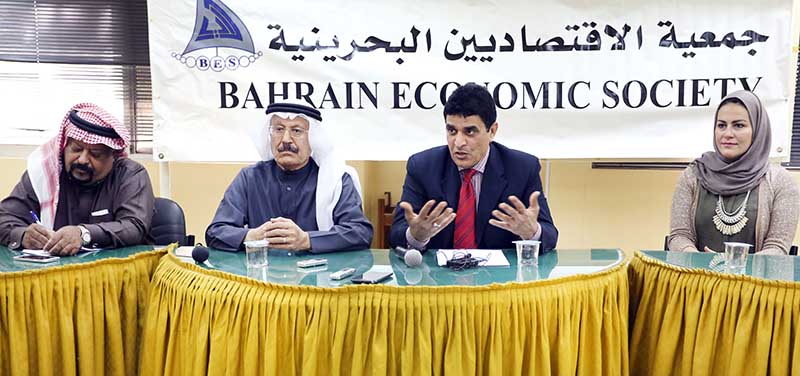
Bahrain: Experts will try to find solutions to the Gulf’s current oil price crisis, which has dented regional economies, during a conference in Bahrain in May.
The event, called The Future of GCC Countries’ Economies in Light of the Drop in Oil Prices, is being held on May 25 and 26 at the Gulf Hotel.
Hundreds of business figures, financial experts and economists are expected to gather for the conference, organised by the Bahrain Economic Society. Discussions will focus on the feasibility of Value Added Tax (VAT), as well as new oil drilling technology.
“Subsidies make up almost a quarter of government spending,” society chairman Jaffer Al Sayegh told the GDN yesterday during a Press conference at the society in Adliya.
”Saving this amount can help aid the economy.
“This can result in reducing the country’s deteriorating debt, as well as rationalise consumption.
“Bahrain depends to a large extent on oil production, something that has to change if the country is aiming to tackle the crisis.
“The economy base of the country has to be restructured and reliant on other sectors, while also vitalising the role of the sovereign fund to increase GDP.”
Mr Al Sayegh said conclusions and recommendations to come out of the conference would be presented to authorities. “Some vital ministries have promised to attend the conference,” he added.
“Topics to be discussed are priorities in light of the current crisis and the presence of decision makers is important.
“The private sector has also shown interest in the event.
“All conclusions and recommendations reached during the conference will for sure be referred to authorities in contribution to efforts to cope with the crisis.”
Bahrain is in the midst of an austerity drive that has included the lifting subsidies on meat, increased fuel prices and new water and electricity tariffs from March 1.
Oil accounts for more than 80 per cent of Bahrain’s revenue, but a massive drop in prices over the past year and a half is driving up public debt and expanding the budget deficit.
Mr Al Sayegh said budget cuts and austerity measures could slash the government’s spending by up to 25 per cent.
&uuid=(email))