

Bahrain: Fighting for the rights of domestic workers in Bahrain will be the top priority of a major trade federation, it has emerged.
A strategy has already been outlined and will be implemented by the new executive board of the General Federation of Bahrain Trade Unions (GFBTU), which will be
elected today.
“Irrespective of the change in the board or who is on the board domestic workers’ rights have ever been GFBTU’s priority, though we get minimal cases from that segment of migrant workers,” said GFBTU spokesman Karim Radhi.
“With the new board being elected they will immediately work on the strategy that we have designed to help domestic workers, which we hope would pave the way to unify this segment.”
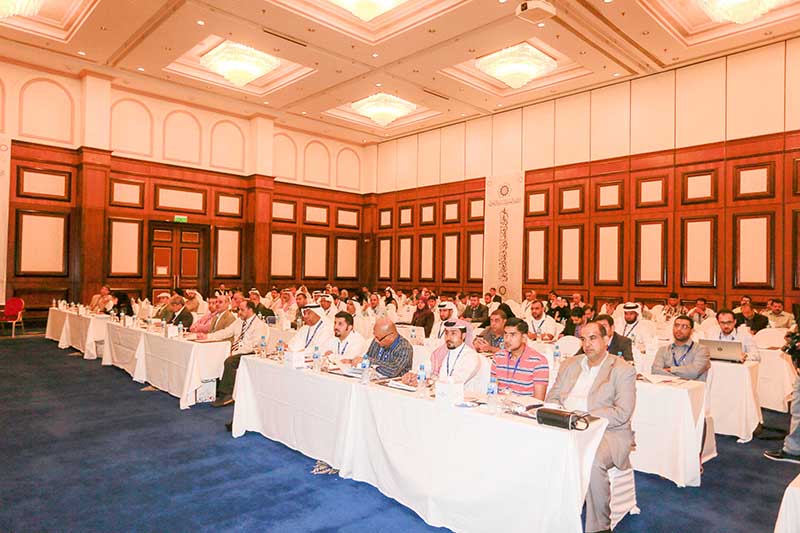
Mr Radhi was speaking to the GDN yesterday on the sidelines of the GFBTU’s third annual congress held at the Crowne Plaza.
During the three-day event, which kicked off on Saturday, the federation’s financial and administrative reports for the last four years were reviewed and the current board resigned.
Fifteen members will be elected to the new board today.
“We are happy that the conditions of the domestic workers segment in Bahrain are getting better, especially with the Labour Law covering partial rights of the segment,” said Mr Radhi.
“However, it is too early for us to think in terms of a union for the domestic workers as the legal framework is yet to approve this.
“Before working on a union for domestic workers what we need is awareness among the public and the government that these workers are a part of the working community and are here to earn a living.
“Mostly what we see is that the contribution of this segment to our economy is often underestimated and they are not even considered alongside the labourers like those in the unskilled segment.
“Firstly we need to accept that domestic workers have rights as well and are entitled to weekends and annual leaves apart from other benefits.
“Even if we have this in place, we need to have a system in place to monitor the implementation of this law, which will be challenge as the employers are private homeowners.”
Awareness
As part of the strategy, the GFBTU plans to set up awareness campaigns and establishing links with trade unions in the sending countries and local non-governmental organisations (NGOs).
“The cases about domestic workers that reach us are minimal and we hope in the future to work more actively with our counterparts in sending countries like India and Pakistan,” added Mr Radhi.
Meanwhile, a suggestion to sign agreements between trade unions in sending and receiving was made by International Labour Organisation (ILO) Arab Region Worker Activities Bureau regional desk officer Nezam Qahoush.
“Bilateral agreements signed between trade unions in sending and receiving countries will help the joint efforts to protect this very vulnerable community,” he said.
“We have similar agreements done by unions in countries like Japan, Lebanon and Kuwait with their counterparts in nations like India, Nepal and Pakistan.
“Migrant workers including the domestic workers are vulnerable and often unaware of or are scared to demand their rights as they aim to make a living and not to get into trouble in a foreign country.
“On this point, we feel trade unions in receiving countries must play an active role and the ILO is supportive of such actions whereby we support them with platforms to interact between trade unions to share views and expertise.”
The event also featured three workshops by local experts on trade union challenges, social protection concept and welfare state’s responsibilities.
raji@gdn.com.bh
&uuid=(email))