

MANAMA: The huge challenges small island developing states (SIDS) will face to economically recover from the Covid-19 pandemic have been spelt out in a new report.
The 2021 edition of the United Nations Conference on Trade Development (UNCTAD) Development and Globalisation: Facts and Figures report highlights the numerous strengths and challenges faced by economies of the 38 SIDS that are largely dependent on travel and tourism.
It says 2020 was a particularly challenging year for SIDS that are highly vulnerable to external economic and financial shocks, at least 35 per cent more than other developing countries, according to the report.
“In the wake of the pandemic, SIDS experienced an estimated fall in GDP of 9pc in 2020, compared with a 3.3pc decline in other developing countries based on International Monetary Fund (IMF) projections data,” it added.
The report is published ahead of UNCTAD’s 15th quadrennial ministerial conference to be held online in October, analyses the concepts of ‘smallness and islandness’ as a function of remoteness or isolation.
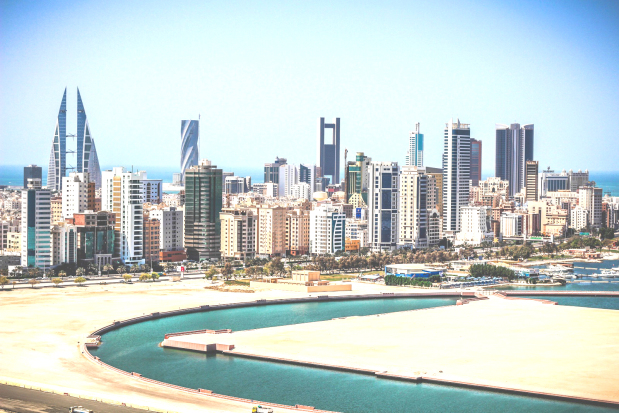
The countries have been divided in categories such as the Caribbean, the Pacific Ocean, the Atlantic, the Indian Ocean and the Mediterranean. It includes nations like Singapore, the Maldives, Bahamas and Jamaica. Bahrain is listed under the Atlantic and Indian Ocean SIDS.
Data related to Bahrain highlights challenges such as a limited arable area, high temperatures, scarcity of water resources and loss of agricultural lands due to salinisation. “The main crops are alfalfa for animal fodder, but dates, figs, mangoes, pomegranates, melons, papayas are also grown,” it added.
Furthermore, the report states the service sector employed roughly 64 per cent of the total employed in the country in 2019, and these jobs were predominantly occupied by women (91pc).
It added that tourist arrivals averaged 11 million per year for the period 2015 to 2019, reaching a peak of 12 million in 2018, while tourism expenditure contributed to 10pc of Bahrain’s GDP in 2019. However, last year the global tourism sector was hit due to Covid-19 health protocols and travel restrictions.
“In the wake of the Covid-19 pandemic, SIDS suffered an estimated 70pc drop in travel receipts in 2020,” stated the report.
“The UN World Tourism Organisation estimates that it could take up to four years for international tourism, an essential source of jobs and livelihoods, to recover to levels observed in 2019.”
UNCTAD acting secretary-general Isabelle Durant said that SIDS share many socioeconomic and environmental challenges, and the small size of their economies leaves little room for diversification
“This report offers a unique perspective on SIDS by combining a wide variety of statistical information to examine these countries from the aspects of trade, the economy, the environment and society,” said Ms Durant.
“I hope the report will serve as a useful statistical and analytical tool for the SIDS themselves and for all those interested in understanding these islands,” she said.
The IMF expects Bahrain’s economy to grow 3.3pc this year and expects most Gulf economies to recover this year at a faster pace than previously estimated.
Bahrain’s GDP contracted by an estimated 5.8pc in real terms in 2020 as the pandemic and lower oil prices reduced consumption and investment activities, according to an analysis last month by S&P Global Ratings.
In particular, it was hit by contractions in larger GCC economies, given the close linkages between the countries through the tourism, transportation and real estate sectors, the report explains.
A deeper contraction was likely mitigated by government stimulus measures, with the full package amounting to BD4.5bn (about 32pc of GDP), mostly including a BD3.7bn increase in loan facilities from the Central Bank of Bahrain and about BD290m 2pc of GDP in budgeted stimulus measures.
&uuid=(email))