

MANAMA: A propsal to turn Bahrain into a fully cashless nation has been tabled by members of Parliament.
Five MPs, led by services committee chairman Ahmed Al Ansari, are proposing that the government present plans to do away with paper currency and adopt electronic payments within the next decade.
Cashless payments allow for quick and easy transactions, and the creation of digital paper trails could help reduce tax fraud and money laundering.
“Increasingly, people are using online payment apps for monetary transactions,” said Mr Al Ansari.
“Payment for most government services has also shifted online,” he added.
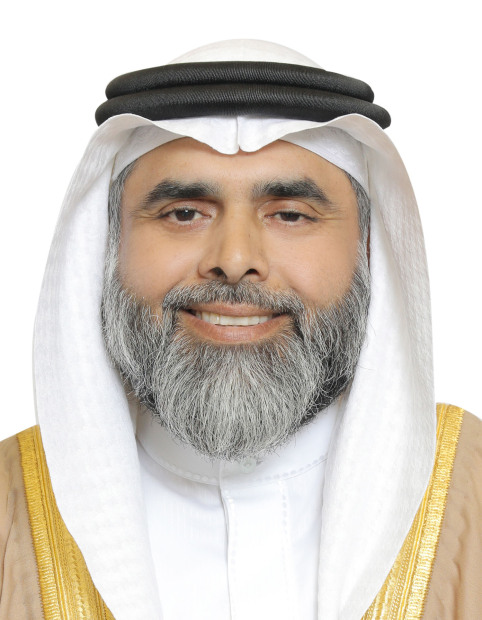
Mr Al Ansari
“Since the outbreak of Covid-19, people are preferring to shop online, rather than in person, with even many small neighbourhood coldstores accepting payments through e-wallets.”
According to the Cashless Countries report by money.co.uk last month, the UAE was likely to become the first cashless country in the Middle East, with 83 per cent of its population owning a debit card and four major e-wallet providers in operation.
Mr Al Ansari said the government was spending millions of dollars to get the currency printed, secured and transported back to Bahrain.
“The currency gets printed in Switzerland and is then coded to prevent counterfeiting before being brought by private high-security transportation to Bahrain.
“Electronic security or encryption is much cheaper.”
He added that the plan to phase out paper currency could already be in the pipeline but that would only be known if the parliamentary committee concerned receives feedback from the authorities.
“A lot of people nowadays don’t even go to ATMs, they either use debit/credit card directly when shopping or pay through an e-wallet.”
The GDN reported last month that instantaneous cross-border payment powered by state-of-the-art technology and digital currency will be piloted by the Central Bank of Bahrain in collaboration with JP Morgan and Bank ABC.
The trial will see the transfer of funds from and to Bahrain in US dollars for payments from buyers to suppliers.
This will lead to suppliers being paid faster and buyers originating payments in shorter time periods without the need for holding funds in advance.
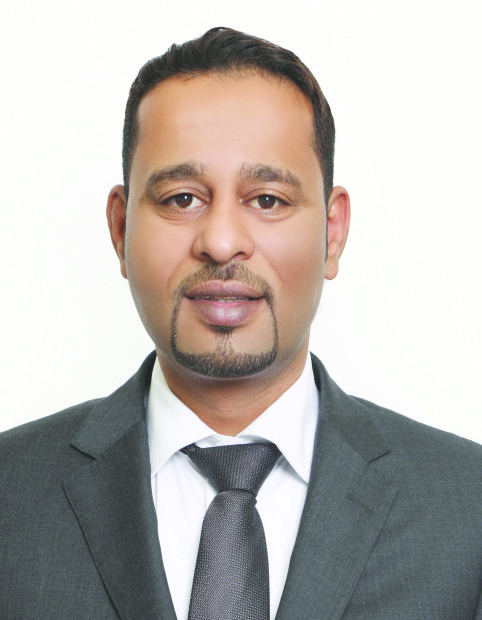
Mr Al Bahrani
The CBB will act as a partner in the project and going forward would look to extend the collaboration to Central Bank Digital Currencies.
Parliament financial and economic affairs committee chairman Mahmood Al Bahrani welcomed the proposal but said paper currency should not be phased out completely.
“There has to be a balance to meet market needs,” he said.
“The proposal is good in that it aims to make financial transactions smooth especially with people finding it much easier now from the conventional hand-to-hand.”
He said paper currency could be useful should the banking system crash or get hacked.
“Securing digital currency is more expensive since it requires 24-hour systematic monitoring against possible phishing.”
He also pointed out many people still preferred cash in their hands.
&uuid=(email))