

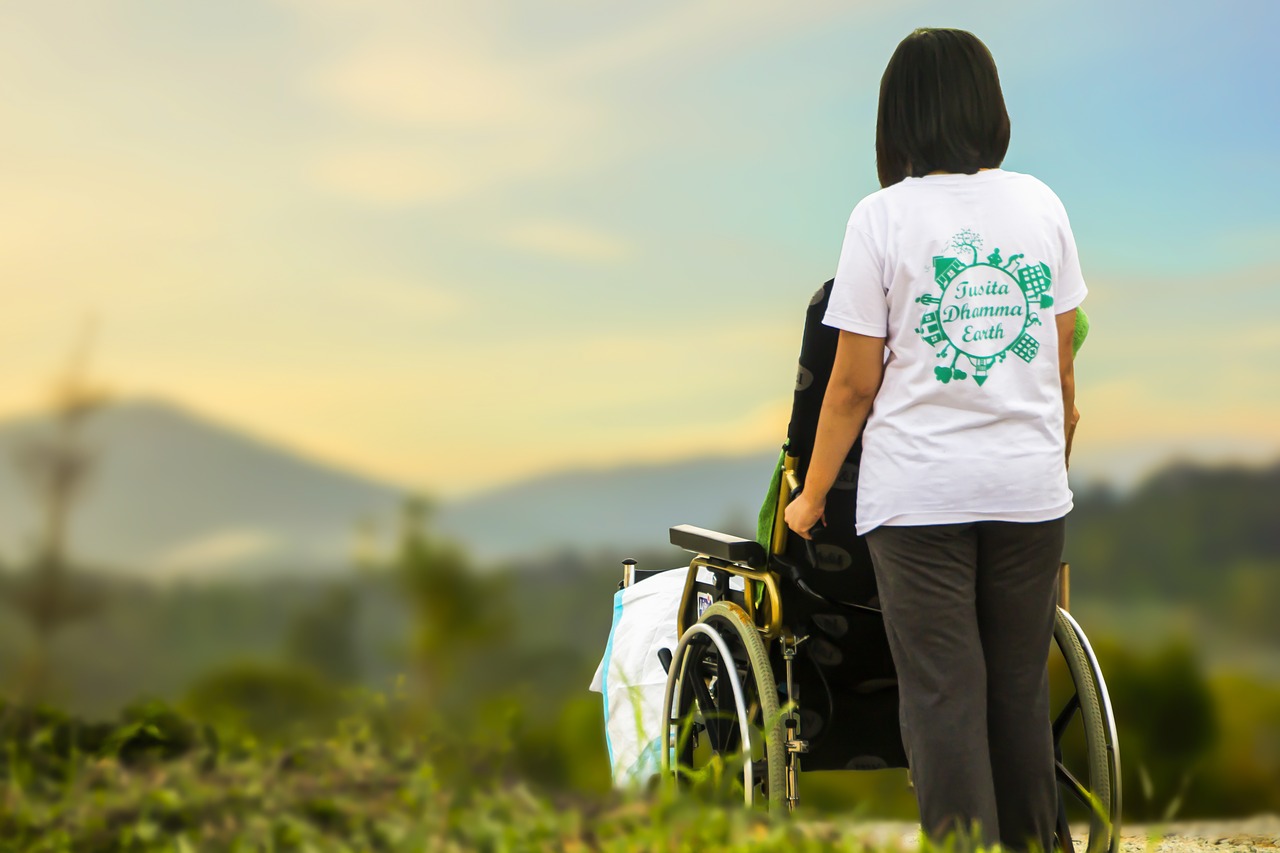
THERE are many people in this world who cannot do a number of tasks because of the condition of their body or mind; others call such people disabled, or handicapped.
Some examples that we commonly hear are: Attention deficit hyperactivity disorder, learning disabilities, medical disabilities, visual impairments, deaf and hard of hearing, Down Syndrome, among others.
Most of them have these disorders from birth, not out of choice, and many of them can’t change the way they are.
Some of them don’t want to change, they want to achieve the goals the way they are. Some of them can change with operations, surgeries, etc.
However, such people also need their share of happiness, socialising and friendships. They also want to be treated the way people around them are treated. But some people hesitate to treat them normally. Sometimes there is bullying, teasing, insulting, at other times it is pity, sympathy, solace. They want to be in a society where they are treated normally, no matter what their abilities or disabilities are.
Sitting alone during lockdown made me think about these people, like my cousin who has Down Syndrome. I have watched how other children in the family play with him normally.
Recently, I heard about the horticultural therapy (also known as social and therapeutic horticulture or STH). The American Horticultural Therapy Association defines it as the engagement of a person in gardening and plant-based activities, facilitated by a trained therapist, to achieve specific therapeutic treatment goals. This is also useful for others to bond with the environment and to disengage from the addiction to the electronic world.
After hearing about the main aim of the horticultural therapy, I have decided to grow plants and be helpful to myself and others.
I am sharing this with all of you as this is not something that should go unseen. Let’s make the change for the best. Because they can’t be normal, let’s treat them normally. As English entertainer Warwick Davis, who has a form of dwarfism, said: “The world worries about the disability more than disabled people do!”
&uuid=(email))