

A VIDEO call centre to assist deaf individuals and those with hearing disabilities communicate with doctors and medical staff has been put on hold due to a cash crunch.
The initiative by the Bahrain Deaf Society (BDS) was aimed at providing virtual access to a sign language interpreter, at the click of a button, to deaf individuals and medical workers.
“Right now, deaf people struggle when they visit health centres, or have to wait for one of our volunteers to be available so that they can communicate comfortably with doctors,” said BDS chairman Aqeel Ali.
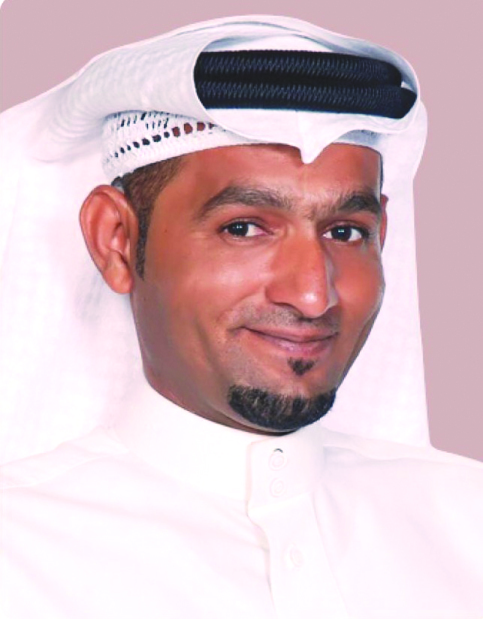
Mr Ali
“From simple things like knowing when their name is called at the health centre to communicating their symptoms to the doctor, visiting a medical facility can be very difficult for us.
“Only a handful of doctors in Bahrain are trained in sign language and training more medical staff has been especially difficult due to their workload during the Covid-19 pandemic.”
Currently, when a deaf individual needs to visit a medical facility, they approach the BDS for an interpreter to accompany them. Since all the interpreters assist on a volunteer basis, deaf individuals wait for a mutually convenient time before they can visit a doctor.
According to BDS, there are only 10 fully-qualified interpreters on the island, who can assist the 280 members registered with the society. To train a new interpreter, each Arabic speaker would have to go through a six-month programme to learn Arabic sign language.
In total, there are approximately 1,850 individuals who identify as deaf or struggling with hearing disabilities, according to the Labour and Social Development Ministry.
With the video call centre, the BDS would be able to have a paid interpreter on-call 24/7 to be available to deaf individuals as and when needed.
When deaf individuals have a doctor’s appointment, either in-person or virtually, the doctor or the deaf individual would be able to request an interpreter, who would be available through a video call.
The programme has already been successfully piloted with three doctors from the Health Ministry.
“We noticed that high-speed Internet is crucial since interpreters rely on video to communicate with deaf individuals and then audio to convey their words to the doctor,” added Mr Ali.
“Overall, however, the pilot was a huge success but we were told that currently there are insufficient funds to staff a 24/7 call centre.”
A similar concept was floated by the BDS in 2013, even winning the eGovernment Excellence Award, but with the onset of the Covid-19 pandemic, the society saw a unique concern emerge, specific to communicating with medical staff.
Since the Covid-19 pandemic started, Mr Ali estimates that deaf people have been diagnosed with the virus 20 to 30 times, requiring them to communicate serious symptoms with doctors and medical staff, who are not trained in Arabic sign language.
“I contracted the virus myself and had to rely on my wife to act as an interpreter when I went to the doctor,” said Mr Ali.
“I am fortunate since she is a qualified interpreter herself, but not many deaf people are as lucky, and have to rely on family members who may only have basic sign language training.
“It can be difficult for these family members to communicate complicated medical concepts to deaf individuals, and in total, I think only 15 doctors are trained in sign language.”
naman@gulfweekly.com
&uuid=(email))