

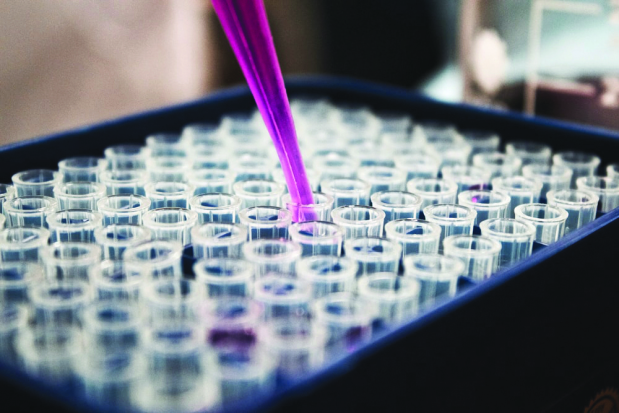
A PUBLIC hospital in Bahrain has received an overwhelming response to a call for volunteers to provide gene samples for genome sequencing.
After 400 people turned up in a single day, the King Hamad University Hospital (KHUH) in Busaiteen is planning to hold more such ‘one-day’ campaigns.
Genome sequencing – the process of identifying the complete DNA sequence of an organism’s genome – is being conducted by the National Genome Centre, to boost efforts to tackle hereditary illnesses.
The centre opened in October 2019 at Salmaniya Medical Complex (SMC) and aims to collect 50,000 samples over the next five years to form Bahrain’s proposed gene bank.
KHUH Pathology, Blood Bank and Laboratory Medicine head Dr Suha Hejris, who is heading the drive, told the GDN that the Health Ministry’s Public Health Directorate has collected 20,000 samples till date.
“The team is conducting daily campaigns through different organisations and at various health centres,” she said.
“We announced the one-day campaign and we saw 400 people turning up to give blood samples and we are receiving calls from more people.
“The pace at which we are going, we hope to collect the 50,000 samples in less than the proposed five-year time-frame.”
The GDN reported in June that the centre completed the first phase of its target with studies carried out on 6,000 gene samples which included 2,000 from people with rare diseases and their families and 4,000 from the general public.
“A genome database will improve the quality of healthcare in the country by helping administer personalised medicines suiting the genetic makeup of a person,” explained Dr Hejris.
Personalised medicine, also referred to as precision medicine, is a medical model that separates people into different groups – with medical decisions, practices, interventions and/or products being tailored to the individual patient based on their predicted response or risk of disease.
“Having a genome bank will help to cater the right healthcare to individuals which will help improve lifestyle of the person and the larger community.”
Dr Hejris said that the genome bank will also help reduce healthcare expenses.
“Genetic mutations may cause some types of tumours and cancers, and through this bank we can develop a comprehensive plan for such people.
“The strategic project also aims at preventing citizens from contracting diseases which has a significant economic impact.”
The GDN reported in July that Bahrain spent almost BD18 million on cancer treatment last year, with the number of patients suffering from the disease surging by 171 per cent over the last three years, according to Bahrain Oncology Centre statistics.
KHUH Commander Major General Dr Shaikh Salman bin Attiyatallah Al Khalifa said the initiative is part of the government’s keenness to provide all means of prevention and treatment to the public.
Departments
The genome centre building at SMC consists of three main departments in the laboratory – the biobank to receive samples from participants in Bahrain and extract the genetic material; the molecular genetics department to analyse diseases locally and abroad; as well as the cellular genetics department concerned with different chromosomes.
Bahrainis aged above 21 years can volunteer to donate their blood samples.
People can direct their questions related to blood sample donation to genome@health.gov.bh.
raji@gdn.com.bh
&uuid=(email))