


BAHRAIN is likely to witness a rise in the incidence of stroke, alongside the Middle East and North Africa (Mena) region, observed an expert.
The country’s ageing population along with a high prevalence of risk factors indicated a ‘ticking time bomb’, said Bahrain Neurosciences Association president Dr Fatima Abdulla, citing a 2015 study.
Speaking at the seventh Mena Stroke Congress, Dr Abdulla said the forum would address these concerns with an aim to come up with guidelines to control the prevalence of stroke.
The three-day congress runs until today (Nov 6) in hybrid format, under the patronage of Supreme Council for Health (SCH) chairman Lieutenant Colonel Dr Shaikh Mohammed bin Abdulla Al Khalifa. It is being organised by the Bahrain Neurosciences Association, under the umbrella of Bahrain Medical Society.
“According to a 2015 study, cases of stroke are rising in Bahrain. And it has nearly doubled in the last 16 years,” said Dr Abdulla.
“The incidence among the Bahraini population which stands at 110 per 100,000 is now much greater than in the non-Bahraini population, which is 27 per 100,000.”
The study further highlighted that Bahraini stroke victims were 10 years younger than their Western comparators, with a much higher prevalence of many of the risk factors including diabetes (54pc), hypertension (75pc) and hyperlipidemia (34pc).
“The combination of an ageing Bahraini population alongside a high prevalence of risk factors suggest a ‘ticking time bomb’ that is likely to see a continuing rise in the incidence of stroke,” she added.
A stroke occurs when there is a sudden interruption of blood supply to the brain, affecting arteries leading to and within the brain.
The GDN reported last year that 525 suspected stroke cases were registered at the King Hamad University Hospital (KHUH) from February 2018 to August 2019. The shocking figure was attributed to the high prevalence of diabetes in the country.
Dr Abdulla also noted a 2000 study which found that the majority of stroke patients were middle-aged and elderly Bahrainis, with a ‘crude annual incidence rate of 57 per 100,000 people’.
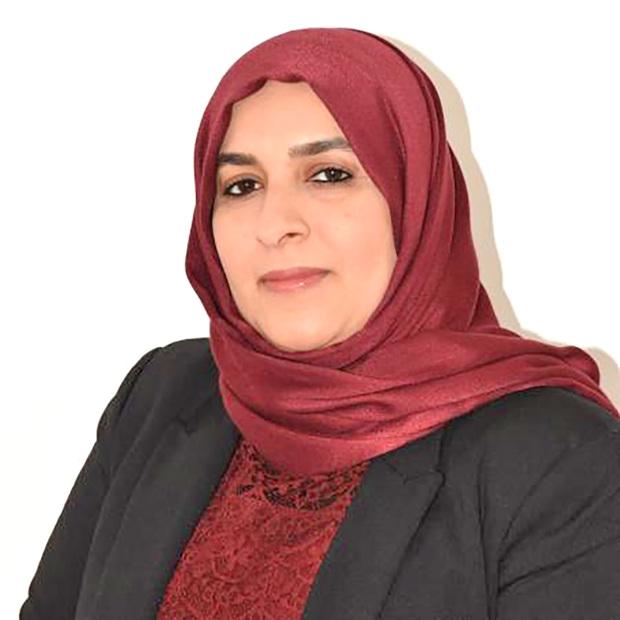
Dr Abdulla
“Stroke is becoming a significant concern in this region and estimates say that stroke-related mortality will nearly double by 2030,” she said.
SMC Stroke Unit head and adult neurology and stroke consultant Dr Hani Humaidan also shared her concern, noting the absence of official data on stroke victims in Bahrain.
“We see more and more cases being reported, which is a sign of increased awareness through dedicated efforts in the country,” he told the GDN.
“With national efforts and plans to co-ordinate among hospitals, we hope to see better results - though at present the numbers are on the rise.”
The GDN reported last year a 1995 study which found that 56 in every 100,000 people experienced a stroke. However, the number rose to 100 in every 100,000 people by 2015 – prompting the establishment of a dedicated Stroke Unit at SMC last February, which reportedly receives between one to three suspected cases daily.
Dr Humaidan explained that the main treatment was thrombolysis intravenous fluid, while in major cases a thrombectomy (an interventional procedure to remove blood clot from a blood vessel) is performed, which is popular in Bahrain.
The GDN reported yesterday that Bahrain plans to step up its health infrastructure to tackle the rising incidence of strokes and heart attacks.
SCH chairman Lt Col Dr Shaikh Mohammed said 150 paramedics at the national ambulance department will be trained to identify symptoms of strokes.
The stroke unit at SMC will also be strengthened, alongside other measures to boost co-ordination between ambulances and hospitals to ensure quick response.
The projects are scheduled for early next year.
raji@gdn.com.bh
&uuid=(email))