

BAHRAIN will align its tourism promotion strategy with the national carrier’s offices around the world, according to a top official.
This marks a shift from the Bahrain Tourism and Exhibitions Authority’s (BTEA) plan to have dedicated tourism promotion offices in certain markets.
The shift in strategy is aimed at increasing the tourism sector’s footprint in the national economy, said BTEA chief executive Dr Nasser Qaedi.
“We are now shifting our strategy and will be working much more closely with Gulf Air to promote travel and tourism in Bahrain – a move already implemented, for example, in France and Germany,” he told the GDN exclusively on the sidelines of a talk by Industry, Commerce and Tourism Minister Zayed Alzayani.
“We will, however, continue to maintain dedicated offices in three of our biggest markets – Saudi Arabia, India and the UK.”
The new strategy for 2022-2026 is a continuation of Bahrain’s inaugural tourism strategy launched for 2016-2019 which focused on facilitation of entry, development of tourist attractions, marketing and promotion and providing adequate accommodation to tourists.
Under the previous strategy, the BTEA focused on opening representative offices in multiple markets including Russia, Germany, China and Kuwait, while the new direction focuses on closer integration with Gulf Air and fewer specialised offices.
In 2019, the representative offices contributed BD35 million to the national economy and attracted 140,000 visitors.
In November last year, the GDN reported on the 2022-26 tourism strategy, under which the BTEA is hoping to increase the total number of tourists to 14.1 million by 2026, the average daily visitor spend to BD74.8 and raise the average tourist’s stay to 3.5 days.
The new strategy also aims to raise the sector’s contribution to the national GDP to 11.4 per cent by the end of 2026. Tourism accounted for 6.8pc of GDP in 2019, and has suffered significant setback in the last two years due to the global Covid-19 pandemic.
However, there were signs of a recovery towards the second half of 2021, with rising tourist arrivals across the King Fahad Causeway.
“If you look at causeway traffic, for example, as a key indicator, in the first two quarters we had 297,000 visitors crossing the causeway. However, in Q3 alone that figure jumped to 1.3 million indicating a big appetite in tourists coming back to Bahrain,” Dr Qaedi had told the GDN in November last year.
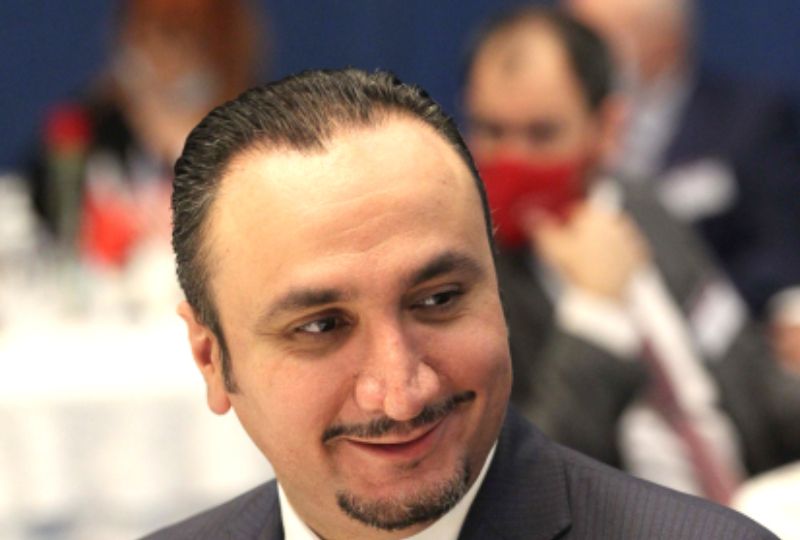
Dr Qaedi
The BTEA also launched an incentive programme for tourism and travel companies last year that conduct tours for groups of no less than 20 tourists and 500 tourists annually with a minimum length of stay of four nights.
According to a company benefiting from the programme, the financial package includes BD15 for each traveller.
As the country recovers from the economic impact of the Covid-19 pandemic, a key target of the government’s new Economic Recovery Plan is to link the country to more than 70 destinations by direct flights by 2030.
Another key prong in the tourism promotion strategy is the new exhibition and convention centre in Sakhir, which will be the largest single-site centre in the Middle East when it opens next year, according to Dr Qaedi.
The centre has a total footprint of 300,000sqm with exhibition and convention space of 100,000sqm, including 10 halls, a 4,000-seat tiered auditorium, 95 meeting rooms, royal and VIP majlises and a 250-seat restaurant. It will enable Bahrain to host a wide range of events from exhibitions and conventions to concerts, live events, weddings and seminars.
naman@gulfweekly.com
&uuid=(email))