

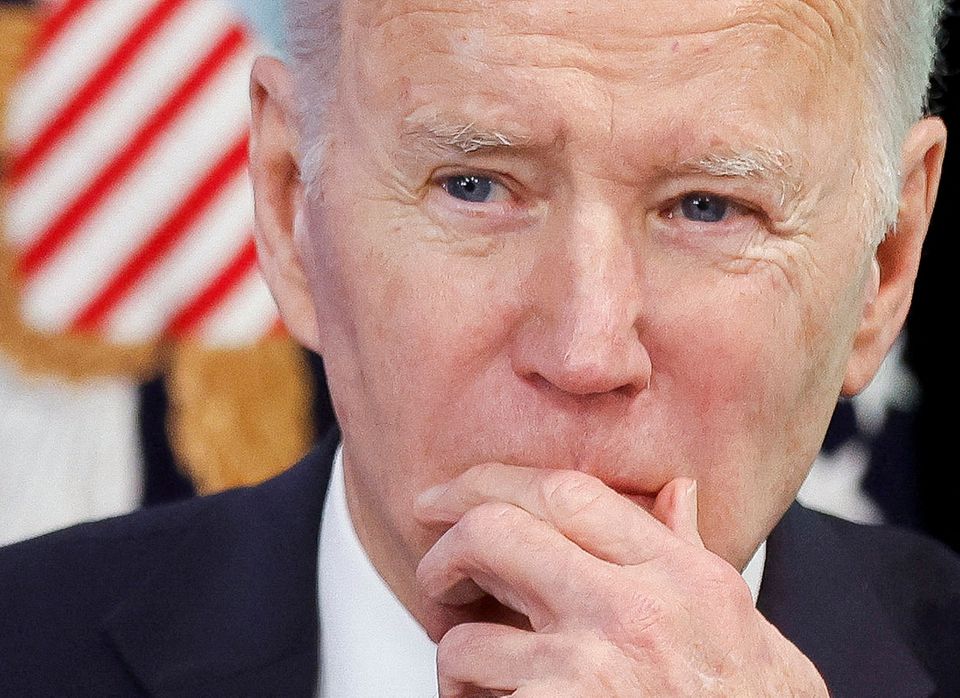
Tension between the US and Gulf countries isn’t the result of recent regional and international developments, but rather began with the outbreak of the so-called Arab Spring, say observers.
This tension was exacerbated by Washington’s response to the Iranian and Houthi missile and drone attacks on civilian targets in Saudi Arabia and the UAE, they said. If it wants to restore its relations with the Gulf states, the US has to show firmer positions on Iran and its proxies in the region.
The Russian-Ukrainian war has deepened tension further between the US and the Gulf states, which rejected Western pressure to increase oil production in order to curb prices that have skyrocketed to record levels since war erupted. This refusal is seen by observers as a natural reaction to the US indifference towards the Houthi attacks on Saudi Arabia and the UAE.
According to the London-based newspaper Al Arab, these observers believe that a new understanding can be reached between the two sides.
A report by Foreign Policy observes the relations between Washington and the Gulf and ways to restore them. According to the report, Washington can back down from talking about the climate and acknowledge the demands of Gulf Arab producers and Opec members to be included in discussions on climate adaptation and to determine a role for hydrocarbons. In return, the US government will have to address Gulf security concerns and provide more effective protection against attacks by Iran and its hard-line proxies in the region.
&uuid=(email))