

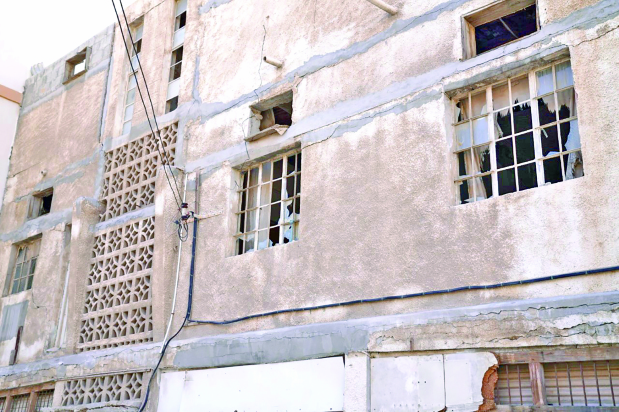
‘Out with the old and in with the new’ may become part of housing policy if MPs get their way in tackling issues over urbanisation and dilapidated housing stock.
A move to allocate a percentage of new-builds specifically for families living in older areas has already won the backing of Muharraq Municipal Council.
At its meeting yesterday, councillors approved a parliamentary proposal to allocate eight to 10 per cent of new areas, whether planned for social housing or development projects, to go towards underprivileged families currently crammed into homes in disrepair.
The proposal by five MPs is spearheaded by Parliament’s public utilities and environment affairs committee chairman Khalid Bu Onk. The suggestion has been forwarded to Bahrain’s three municipal councils and the Capital Trustees Board by Works, Municipalities Affairs and Urban Planning Minister Essam Khalaf, who has asked for opinion before June 30, when the four-year term is set to end.
“Many of the new housing projects are extensions to areas that are close to the sea and often on reclaimed land,” Mr Bu Onk told Muharraq councillors during the meeting yesterday.
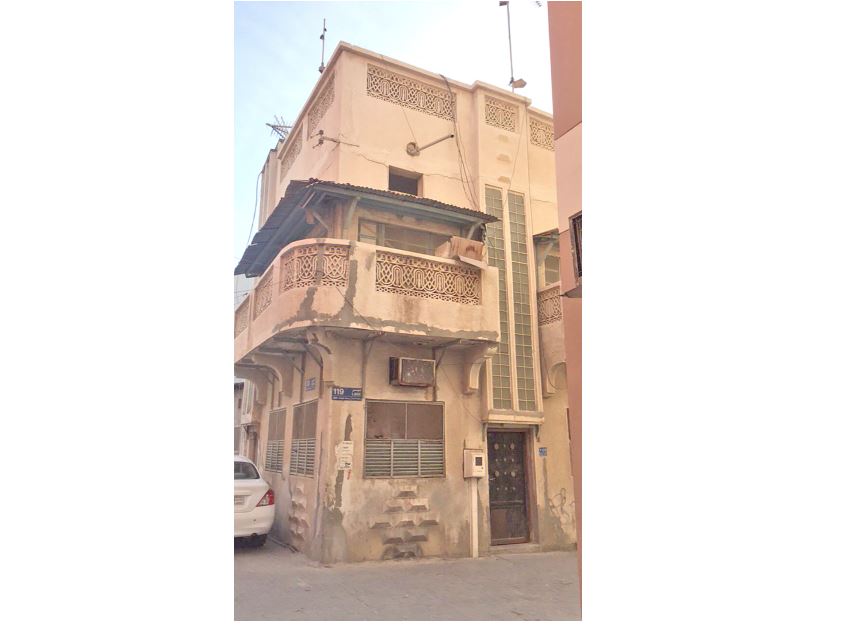
Old homes in Manama
“Social homes may be distributed in accordance to waiting lists but often the priority is given to families currently living in addresses close to the new projects.”
He believes families living in older areas of Manama and Muharraq, as well as inland towns and villages, miss out on the opportunity of better housing or plots of land in the new projects.
To add to their grievances, building guidelines prevent them for attempting to expand their properties by adding new floors so several generations of families find themselves crammed into a few existing rooms.
“There has to be a quota to serve these families living in one house and, we believe, giving them eight to 10pc of newly-urbanised areas would be a fair solution,” said Mr Bu Onk.
“Statistics presented to Parliament from the Housing Ministry show that most of those still waiting for homes from the late 1990s are from the Muharraq and Capital governorates.”
The council’s financial, administrative and legislative committee chairman Bassem Al Majdami said a quota would help lower costs on the government, while carrying out new infrastructure projects or maintenance in established areas.
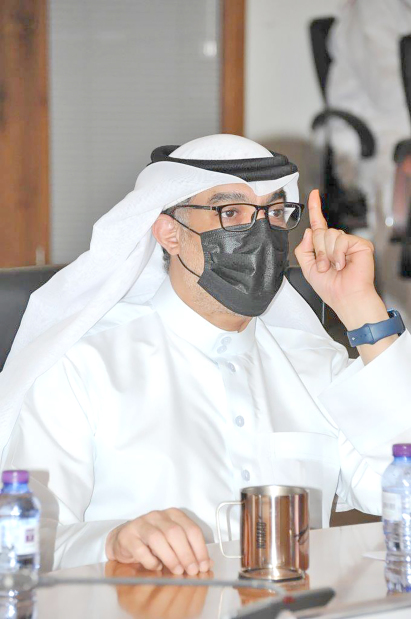
Mr Al Majdami
“The government wants to keep old residential areas as they are as a witness to history at the same time as having people continuing to live in them,” he said. “A family of five is reasonable, not a family of 20 including grandparents, multiple parents and grandchildren. It just doesn’t work.
“So having a quota will not just resolve the cramming issue but perhaps even help reduce costs on carrying out necessary infrastructure or maintenance work in older areas.”
Feedback on the proposal will be presented to the newly-elected Parliament later this year.
Mohammed@gdn.com.bh
&uuid=(email))