

Special labour towns could now be set up in industrial areas across the kingdom.
Industry and Commerce Minister Zayed Alzayani informed Bahrain’s three municipal councils and the Capital Trustees Board that the plan was to launch accommodation projects for workers in companies located in industrial areas.
He added that more than 800 industrial plots would be offered to investors for the purpose in seven areas.
The move follows complaints of unruly behaviour by expatriate labourers in residential neighbourhoods.
Other complaints involved immoral acts, lack of hygiene, sewage problems, and lack of fire safety in some buildings.
“We have started offering investment opportunities for labour accommodations in industrial plots,” said Mr Alzayani.
“This will allow factories to reduce their operating costs related to accommodations, transportation and security, while addressing other issues of concern that have been brought to us.”
Former works minister Essam Khalaf had told councillors previously that labour camps in Bahrain would be clearly identified on maps.
He added that the Urban Planning and Development Authority has completed determining new classifications for general labour accommodations and has referred the issue to the Cabinet.
Amendments were carried out to the 1999 Industrial Areas Establishment and Organisation Law which originally banned the establishment of labour accommodations in industrial areas.
Meanwhile, Southern Municipal Council chairman Bader Al Tamimi said the new rules would help lower the numbers of expat bachelors living in residential areas.
Parliament financial and economic affairs committee chairman Ahmed Al Salloom said allocating space for expatriate labourers was necessary.
“The move ensures that labourers get new, high standard and proper accommodations, at the same time resolving issues of having them housed among families in unsuitable accommodation, including dilapidated buildings and rundown houses,” he explained.
“The new investment accommodations would be open for all industries and are not restricted to those nearby.
“However, it should also include all needed facilities, to prevent any rise in illegal business activities.”
The Southern Municipal Council had earlier this year proposed that surveillance cameras be made mandatory in industrial areas in a bid to reduce crimes at worksites, labour accommodations and surrounding facilities.
Councillors have proposed CCTV cameras installed and linked remotely to the Interior Ministry following a spike in illegal activities.
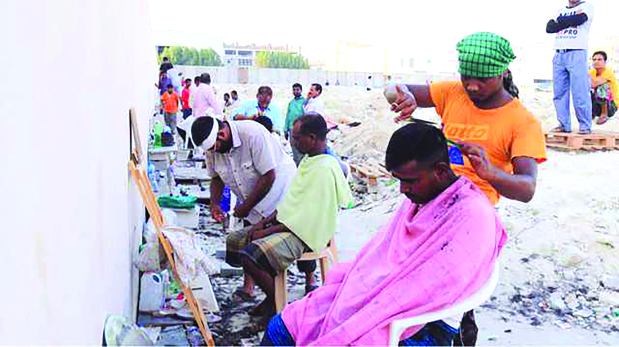
They said street vendors were illegally selling clothes, vegetables, fish and other products, while illicit salon services were being offered on substandard chairs and groups of workers were seen gambling and drinking alcohol in the open.
Councillors have also raised an alarm over semi-nude or fully naked men staggering around or sleeping in the open, transport services were being offered for prostitution, and cheap quality sexual enhancers and lubricants were on sale.
mohammed@gdnmedia.bh
&uuid=(email))