

BAHRAIN has banned the import and sale of candies containing a reportedly harmful substance.
The gelatin-based chewable jelly sweets, very popular among children, are said to contain konjac which is a root vegetable grown in parts of Asia.
It is known for its starchy corm, a tuber-like part of the stem that grows underground and is used to make a rich source of soluble dietary fibre known as glucomannan.
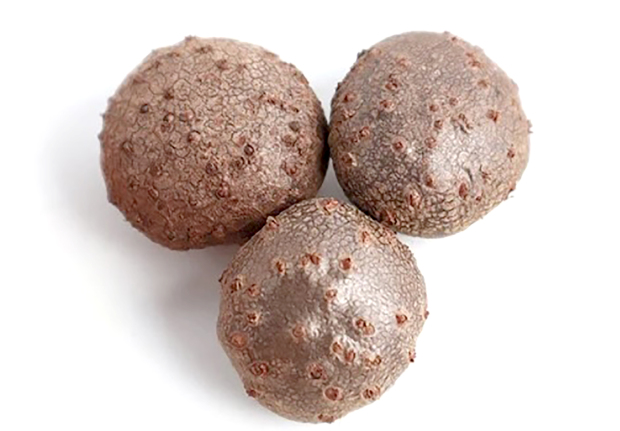
Glucomannan, or konjac root fibre, is banned as a supplement in Australia because of its potential to be a choking hazard and block the stomach
However, according to the US Food and Drug Administration, some konjac candies have caused choking deaths in older adults and children.
Konjac candies have a gelatinous structure that doesn’t dissolve in the mouth like other gelatin products, and konjac supplements are also known to expand in the oesophagus or bowel and cause an obstruction.
The ban, published in the Official Gazette, also includes brand names konjaku, konnyaku, taro or yam powder, amongst others.
The decision has been taken by Health Minister Dr Jalila Al Sayyed to protect public health amid international concerns on konjac’s side effects, hazards and dangers.
“Offenders will be punished in accordance with the 2018 Public Health Law,” warned Dr Al Sayyed.
The punishment stipulated is up to three years in jail or a fine of up to BD5,000, or both.
Konjac is made into a popular East Asian fruit jelly snack, known variously in the US as lychee cups (after a typical flavour and nata de coco cube suspended in the gel) or konjac candy, usually served in bite-sized plastic cups.
Following highly publicised deaths and near-deaths in the US of children and elderly people caused by suffocation while eating konjac candy, the FDA issued an alert in 2001, followed by recalls in the US and Canada.
Unlike gelatine and some other commonly used gelling agents, konjac fruit jelly does not melt readily in the mouth. Some products form a gel strong enough to require chewing to disintegrate the gel. Though the product is intended to be eaten by gently squeezing the container, a consumer can suck the product out with enough force to unintentionally lodge it in the trachea. Because of this hazard, the European Union and Australia banned konjac fruit jelly.
Some products that remain in East Asian markets have an increased size, unusual shape, and more delicate consistency than the round, plug-like gels that were associated with the choking incidents.
The snacks usually have warning labels advising parents to make sure their children chew the jelly thoroughly before swallowing.
Japan’s largest manufacturer of konjac snacks, MannanLife, temporarily stopped producing the jellies after a 21-month-old Japanese boy choked to death on a frozen MannanLife konjac jelly.
Seventeen people died from choking on konjac between 1995 and 2008.
MannanLife konjac jelly’s packaging bag now shows a note to consumers advising them to cut the product into smaller pieces before serving it to small children.
In 1999, Michelle Enrile, aged 12, from San Jose, California choked on a piece of konjac gel candy. She lapsed into a coma and died two years later. The Enriles won a $16.7 million judgement against the Taiwanese manufacturer of the candy.
Meanwhile, MPs have welcomed the decision but said other substances harmful to people’s health and well-being are still available in the market.
“There needs to be a comprehensive review of ingredients of all food products that are said to be fit for human consumption,” said Mariam Al Sayegh.
“Sometimes food manufacturers change names or hide particular ingredients to comply with the rules and only random testing can unveil the presence of harmful substances.
“Konjac is a known harmful substance that has been available in the market for a very long time with no action taken; the ban is a move too late but better late than never.”
mohammed@gdn.com.bh
&uuid=(email))