

A TAX of two per cent could be imposed on every foreign remittance made by expatriates, if MPs have their way.
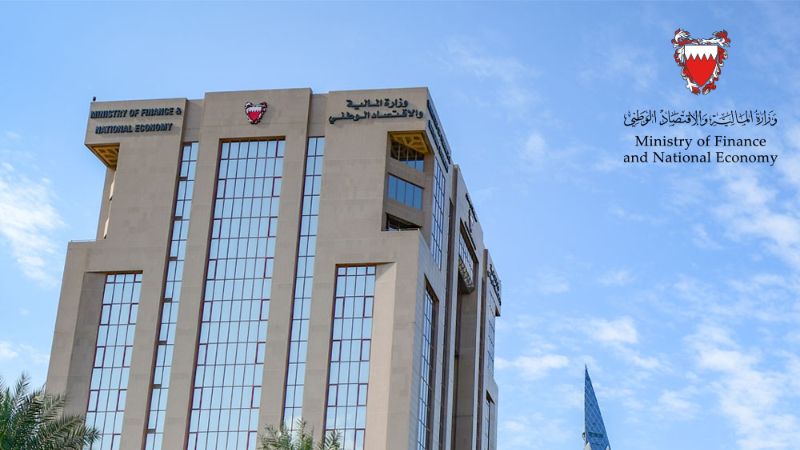
The Finance and National Economy Ministry and the National Bureau of Revenue have urged MPs to rethink the move, saying that it doesn’t follow a proper taxation model.
The MPs are expected to vote, during their weekly session on Tuesday, on two new legislations calling for the 2pc tax on foreign remittances.
Also asking for a rethink is the Central Bank of Bahrain (CBB) which said that it was difficult to implement the proposal should Bahrainis start doing it on behalf of expats.
“If a tax on sender/receiver is imposed then workers would ask their employers to pay the difference,” it said.
“The move would also see foreign investors waving goodbye as their expatriate employees who earn high wages would be forced to lose huge sums.
“This will create a further negative impact on the ability to compete with others in the region to attract foreign investments, with such levy not being imposed there.
“Also, regional and international companies that make regular daily transactions would lose out, since they fall within the same rules as remittances, putting Bahrain on a bad business spot.”
The Bahrain Chamber has urged further consultations, while the Bahrain Businessmen’s Association (BBMA) has rejected the move as “disastrous”.
The Economic Development Board (EDB) has pointed out that 72pc of expats earn below BD200, with housemaids and other domestic workers not included in the count.
“We are against the move and believe it to be unconstitutional since the target is mostly low income earners,” it said.
Also, 5pc corporate tax could be levied on companies whose net profits are above BD500,000.
Amendments to the 2001 Companies Law has been presented by five MPs.
The move has been backed by the CBB which believes that it could diversify government revenues.
However, the EDB has urged MPs to reject the move as there has been no comprehensive study on the feasibility of imposing such tax and its impact on the economy and market competitiveness.
The Bahrain Chamber has also rejected the move, saying that inflation has already had a huge toll on the economy, and such a levy on companies was “unsuitable”.
Also rejecting the move was BBMA which believes that the business and corporate sector in Bahrain was already facing numerous challenges.
“The move will have an undesirable impact on the competitiveness with others in the region to attract foreign investments,” it said.
“There is already an imbalance and instability in local markets after VAT was doubled to 10pc.”
The GDN reported on Wednesday that Bahrain is set to impose corporate tax once an international agreement is reached on the framework.
Finance and National Economy Minister Shaikh Salman bin Khalifa Al Khalifa told MPs during their weekly session last Tuesday, that the Organisation for Economic Co-operation and Development (OECD) was currently working on a global corporate taxation structure.
mohammed@gdnmedia.bh
&uuid=(email))