

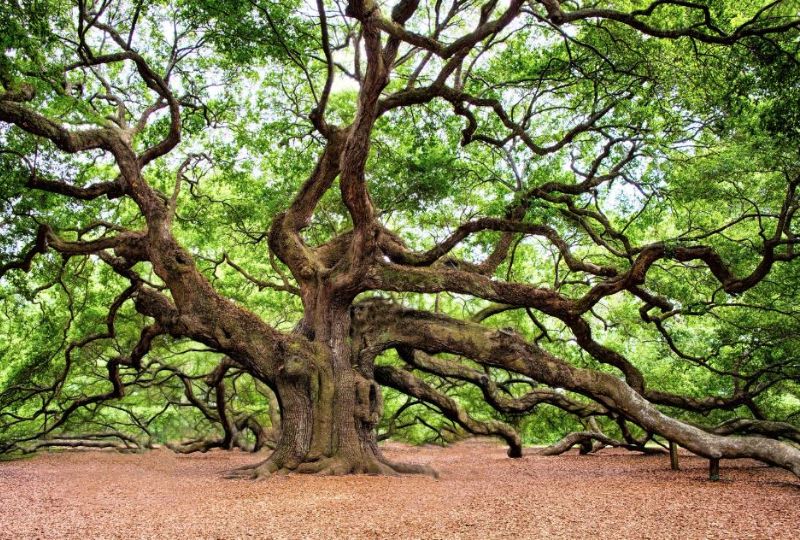
Scientists have revealed that more than a third of tree species are slowly becoming extinct, shockingly surpassing the predicted number of extinctions of all birds, mammals, reptiles, and amphibians combined.
The research has been updated onto the official extinction red list and was reported in Cali, Colombia during the UN biodiversity summit COP 16.
Over 1,000 scientists analysed the conservation status of trees, assembled by plant conservation charities: the Botanic Gardens Conservation International (BGCI) and the International Union for Conservation of Nature (IUCN).
Emily Beech, from the BGCI, stated that 38% of the world's trees have now become threatened with extinction.
“Trees are highly threatened all across the world but now we have the tools that we need to make sure that we prioritise conservation action on the ground,” she added.
Additionally, it was reported that trees have become at risk in 192 countries. Magnolias, were one of the most threatened tree species, along with oak, maple and ebonies falling close behind.
However, scientists at the Royal Botanic Gardens in London are trying to conserve trees worldwide. They gather seeds and then grow specimens in arboretums.
Steven Bachman, a conservation researcher, said the statistics were "shocking, with a knock-on effect for the many other plants and animals that depend on trees."
“We are currently in a biodiversity crisis," he stated. "Many species of trees all around the world are providing habitat for many other species of birds, mammals, insects, fungi.
"If we lose the trees we are losing many other species with them,” he added.
For example, hedgehogs were one of the highest mammals to be under the threat of extinction as populations decreased across Europe and the UK. The biggest contributor to this is the expansion of farming and land development.
Furthermore, several migratory birds, many of which fly over and halt at Britain’s shorelines are also becoming a concern for facing extinction. UK’s shorebirds, such as the grey plover, dunlin, turnstone and curlew sandpiper were at the top of the endangered red list.
Although several challenges are still unresolved, such as the finance for preserving biodiversity across the world, as well as strengthening national plans for protecting nature, world leaders at the COP 16 summit are determined to protect 30% of lands, seas and oceans by 2030. The summit will end on November 1.
Also Read: National Tree Week launched in Bahrain as experts reveal a third of species are facing extinction
https://www.gdnonline.com/Details/1336088
&uuid=(email))