

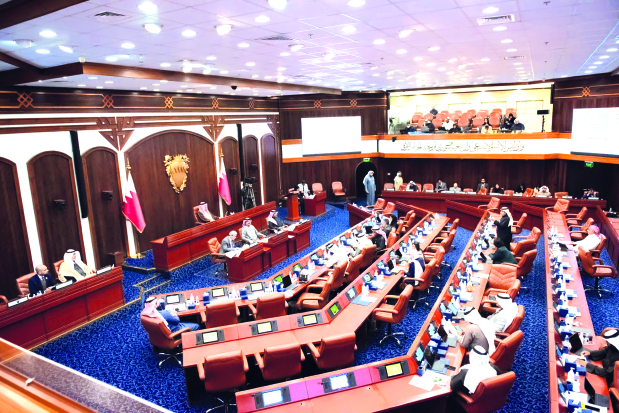
MPs want to give bad drivers a longer time to pay a 50 per cent reduction of the traffic fines they face for their motoring indiscretions.
They yesterday approved an extension despite some voiced opposition. The Shura Council will now review the legislative amendment to the 2014 Traffic Law that would extend the window for paying the reduced amount from seven to 30 days.
The proposal, originally submitted by MP Dr Ali Al Nuaimi, aims to ‘ease the financial burden on violators while encouraging compliance with traffic fines. However, the government has expressed reservations, warning that the extension may weaken the deterrent effect of penalties and undermine traffic discipline.
Dr Al Nuaimi argued during the weekly session yesterday that the existing week-long deadline was too short, particularly given the economic challenges affecting citizens.
“The fines could come at a time when salaries have not yet been disbursed, leaving people unable to pay within the short window,” he suggested. “Extending the period to 30 days provides a more reasonable and balanced approach.”
He further contended that increasing the payment period would encourage more violators to settle their fines by paying half the minimum penalty, thereby reducing the number of cases referred to the courts.
“This would alleviate the burden on the judiciary, allowing judges to focus on more pressing legal matters,” Dr Al Nuaimi added.
Despite parliamentary insistence, the government has raised concerns over the potential consequences of extending the payment period.
If you cannot do the time, or in this case, pay the fine, then do not do the crime.
“Penalties are imposed not merely to punish offenders but to deter future violations,” the government stated in its memorandum. “By delaying the payment of fines, the amendment could diminish the deterrent effect of the law, leading to a decline in traffic discipline and road safety.”
The Justice, Islamic Affairs and Endowments Ministry also supported the government’s stance, arguing that reducing the urgency of fine payments could lead to higher rates of violations.
Interior Ministry Under-Secretary for Legislative Affairs Rashid Bunajma echoed these concerns, stressing that traffic regulations must maintain a strong deterrent to prevent even more reckless behaviour on the roads.
“The existing system already provides an incentive for timely payment to receive a 50 per cent discount if paid within the first seven days,” Mr Bunajma stated. “Extending this period to a full month may reduce compliance and encourage some drivers to delay payments indefinitely.”
The Bahrain Bar Society welcomed the proposal, pointing out that it ‘enhances fairness’.
The National Institution for Human Rights also confirmed that the amendment does not infringe on human rights or international obligations.
MP Jalal Kadhem Al Mahfoodh strongly opposed the extension, stressing the need for stricter enforcement to ensure road safety. “The absence of strong legal deterrence encourages reckless driving and endangers lives,” he warned.
“Some drivers do not respect traffic rules unless they face strict penalties.”
He pointed to common violations such as using mobile phones while driving, which may appear minor but pose significant dangers.
“There are drivers who fail to understand the importance of discipline on the roads,” he added. “For those who disregard the law, strong legal deterrence is the only language they understand.
“When driving to and from Parliament I witness accidents and numerous violations daily, mainly people busy on their phones.”
Mr Al Mahfoodh cited Saudi Arabia’s traffic enforcement model as an example, noting that stricter penalties and enhanced monitoring have successfully reduced violations and improved road safety.
“Saudi Arabia’s firm approach to traffic discipline has yielded clear results; fewer violations and greater adherence to the law,” he said. “We should learn from their successes.
“Here, instead of punishing people for misusing the road, we want to further reward them with half-pay up at their convenience, rather than ‘twisting their ears’.
“In some countries, that claim to be developed, they beat up people with sticks until they learn proper road manners, we don’t want this here so the fines should remain tough.”
Parliament continued with 21 MPs, which is the minimum out of 40, as many are on official trips abroad and some have submitted apologies for unidentified reasons ticked ‘special’ on the absence form.
mohammed@gdnmedia.bh
Top stories for today:
Proposal to ban new licences for serviced apartments approved
Celebrating Ramadan with luxury and style
Proposal to extend traffic fines discount is approved
&uuid=(email))