

Bahrain has demonstrated a clear and ongoing commitment to preserving the kingdom’s unique biodiversity with recent initiatives such as the 2025 fishing ban on certain species, alongside marine conservation, particularly in the internationally-recognised Hawar Islands.
Conservationists globally through differing but equally vital strategies are working to create more sustainable natural spaces that can endure the pressures of climate change and urbanisation.
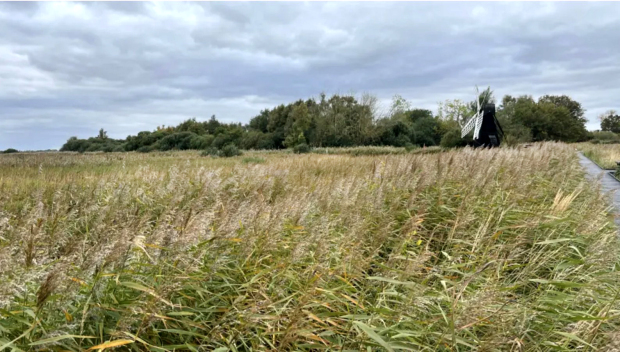
One such triumph of nature is currently making headlines as Wicken Fen National Nature Reserve in Cambridgeshire, England, the first nature reserve in the UK to record an astonishing 10,000 species.
The species that pushed the reserve over the notable threshold was the six-belted clearwing moth (Bembecia ichneumoniformis).
This is a remarkable, yet small, creature that exhibits a clever survival strategy: it is a wasp mimic.
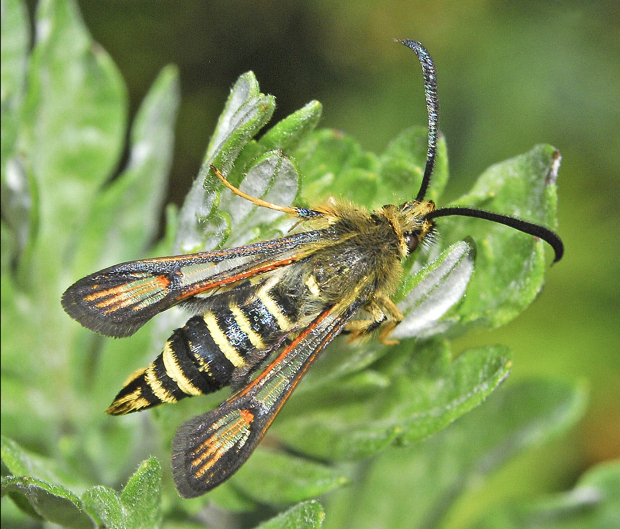
The moth’s black abdomen features six bright yellow stripes, effectively deterring predators who mistake it for a venomous wasp. The appearance of this rare species for the first time on the reserve highlights the success of the extended habitat in attracting new, vulnerable life. In fact, wildlife records at the Fen, which date back 200 years, show that 13 species that were new to science were first discovered there in the 20th Century, cementing its importance as a biodiversity hotspot.
The reserve’s current biodiversity is the direct result of a conservation vision stretching back over a century. The National Trust, the UK conservation charity that manages the site, first acquired the land in 1899 for a tiny sum of £10 (approx BD5). At that time, the reserve was a mere two acres.
Over the following 126 years, the National Trust has diligently expanded and cared for the land, transforming it into a wildlife haven covering 2,026 acres. This massive effort in rewilding and expansion has been the engine behind the surge in species records, particularly over the last 25 years. Crucially, since 1999, the protected area has more than tripled in size, growing from 225 hectares to 820 hectares, a move that is directly credited with boosting the area’s overall abundance and diversity.
Speaking about the scale of the achievement National Trust countryside manager Alan Kell conveyed the pride felt by the entire conservation community. “Reaching 10,000 recorded species is a proud achievement for everyone who has ever taken an interest in this special corner of the country,” he said.
Mr Kell also confidently asserted that the reserve’s continuous success establishes it as a national leader in biodiversity, adding: “We believe it is now the most biodiverse recorded reserve in the UK.”
The reserve’s ongoing success is not limited to insects; recent discoveries have included the elusive formidable ant beetle, the scarce plant grass vetchling, the evocatively-titled chamomile shark moth, and new bird records such as a white-tailed eagle that roosted for one night in 2022 and a white stork seen several times in summer 2023.
Mr Kell attributes this flourishing ecosystem to a simple yet powerful principle: “I never fail to be surprised by what we find here, and it is absolutely a case in point that if you give nature the opportunity and the space, it will do remarkable things,” he said.
This conservation triumph is now inspiring further action. Wicken Fen is launching a major new partnership with The Nature Recovery Project to restore vast tracts of lowland peat, both at the Fen and elsewhere in the country. This effort is considered critical for addressing the climate crisis, as healthy peatlands lock away carbon.
The Nature Recovery Project head of strategy James Berry emphasised the potential impact of demonstrating that conservation can coexist with sustainable agriculture, saying: “If the project can demonstrate that healthy, thriving peatlands can successfully coexist with profitable food production, we anticipate that this approach could be adopted widely across both existing and historically degraded peatlands.”
Mr Berry concluded that this model would unlock a powerful pathway for reducing carbon emissions, adding: “The more wildlife ‘corridors’ we can create, the greater chance we have of being able to support even more species, especially in this changing climate.”
&uuid=(email))