

A GLOBAL month-long initiative has kicked off, aimed at amplifying Bahrain’s voice in important conversations, building sustainable societies and addressing rapid urbanisation challenges.
United Nations Human Settlements Programme (UN-Habitat) Bahrain is encouraging people to get involved by planning initiatives that make the kingdom’s communities more inclusive, safe and sustainable.
Participants can register their events on the official Urban October website, an opportunity for Bahrain to share its ideas and efforts toward creating cities that prioritise people and stand the test of time.
The campaign kicked off with World Habitat Day on October 6 and will conclude with World Cities Day on October 31, a global observance first celebrated in 2014.
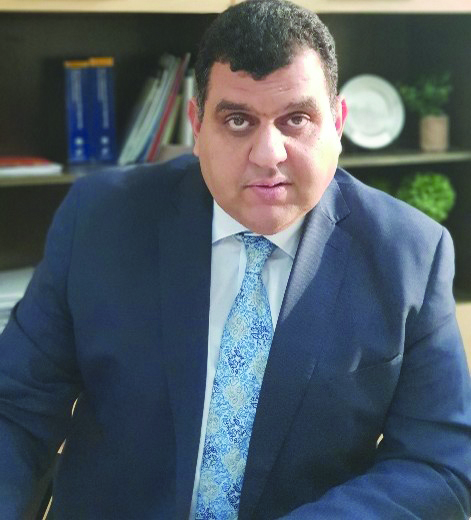
Dr Ayman El Hefnawi
“Urban October is a global platform that celebrates collective action for sustainable urban futures,” GCC UN-Habitat country programme head and representative Dr Ayman El Hefnawi told the GDN.
“Every initiative, from community clean-ups and student projects to policy dialogues and private sector collaborations, contributes to shaping cities that are inclusive, resilient and responsive to people’s needs.
“I encourage Bahrain’s institutions, universities and communities to register their activities and take part in this shared journey toward advancing sustainability and resilience at both the local and global levels.”
Held every October, Urban October led by UN-Habitat invites everyone – from national and local governments to universities, NGOs and communities – to engage in discussions and events addressing the challenges and opportunities of rapid urbanisation.
UN-Habitat has suggested several ways to get involved including, organising public discussions or online debates on how local communities can contribute to a carbon-free and climate-resilient world. Other ideas include hosting film screenings to promote local creativity, inviting prominent figures or local experts to raise awareness and running community information campaigns.
Participants are also encouraged to collaborate with local media, artists, musicians or poets to highlight urban issues and inspire collective action.
“In Bahrain, we see resilience being built through practical solutions – from affordable housing to mangrove restoration – that improve daily life and prepare communities for the future,” said Dr El Hefnawi.
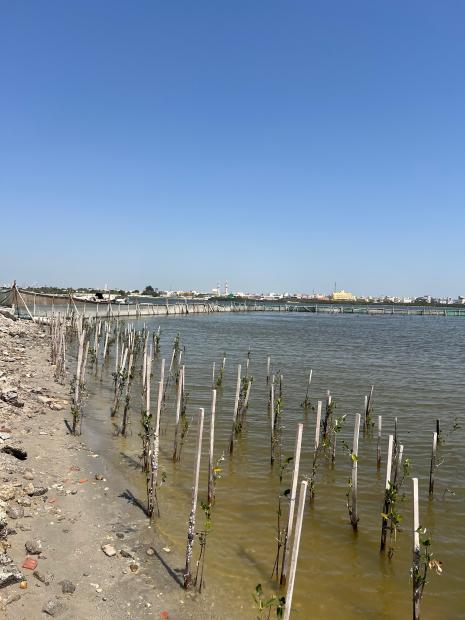
Mangrove planting site
On this occasion, UN-Habitat and its partners are also highlighting their achievements over the past three years, including projects that increase green spaces, promote water conservation and protect the kingdom’s mangroves.
Under the ‘Building Green and Sustainable Cities’ project, UN-Habitat and the Food and Agriculture Organisation (FAO), in partnership with the Municipalities Affairs and Agriculture Ministry through the Buthoor Al Bahrain Greening Campaign, have been supporting the National Afforestation Plan, which aims to double the kingdom’s tree cover by 2035.
Since launching last year, the campaign has distributed 13,120 seedlings across 57 locations, engaging 17 schools (11 public and six private) in all four governorates. These community-led greening efforts are helping cool urban areas, improve air quality and create accessible green spaces, showcasing nature-based solutions.
In collaboration with Nestlé Waters and the Electricity and Water Authority (EWA), UN-Habitat Bahrain also launched a community initiative to promote responsible water use among households and mosques. With the support of local charities in Isa Town and Janusan, 200 water-saving showerheads were installed for 71 families, projecting to cut daily water use by 25 per cent to 30pc.
“This joint community awareness initiative reflected Bahrain’s commitment to the United Nations Sustainable Development Goals,” Isa Town Charity Society chairman Abdulredha Alaliwat told the GDN.
“It also underscores our dedication to environmental stewardship and community development, fostering a culture of conservation and sustainability across the kingdom.”
Janusan Charity Society development adviser Hussein Al Sabbagh noted that the charity takes pride in being part in an initiative that tangibly touches peoples lives, and it goes beyond merely alleviating financial burdens.
UN-Habitat Bahrain is also working with HSBC Middle East, North Africa and Türkiye to revitalise Tubli Bay’s mangrove ecosystems, in partnership with the Supreme Council for Environment and Municipalities Affairs and Agriculture Ministry.
The initiative aims to strengthen blue-carbon sinks, restore biodiversity and improve urban heat resilience – reinforcing Bahrain’s commitment to protecting natural habitats and advancing climate action.
julia@gdnmedia.bh
&uuid=(email))