

.jpg?20260416')
THE Shura Council has rejected proposed parliamentary amendments to the 2014 Rents Law seeking to regulate the handover of leased properties when landlords refuse to accept them, and to limit the automatic renewal of lease agreements to one year.
During its weekly session yesterday, the upper chamber of the National Assembly approved the recommendation of its public utilities and environment affairs committee to reject the bill in principle, arguing that its objectives were already being met through existing legislation, particularly the Civil and Commercial Procedures Law.
Committee chairman Dr Mohammed Hassan explained that the existing legal framework already provided clear mechanisms for tenants to discharge their obligations when landlords refuse to receive leased properties after the expiry of the contract.
“The provisions of the Civil and Commercial Procedures Law comprehensively cover the procedures for offering payment and depositing rent or property keys when a landlord refuses to receive them, which makes this amendment redundant,” he said.
Chapter Nine of the same law explicitly regulates “procedures for offer of performance and deposit”, ensuring tenants are legally protected if a landlord refuses to accept the property.
“Bahraini court precedents confirm that a tenant fulfils his duty by placing the property at the landlord’s disposal and notifying him accordingly,” said Dr Hassan.
“If the landlord refuses to accept, the tenant may request a court-appointed custodian – a process already defined in current laws.”
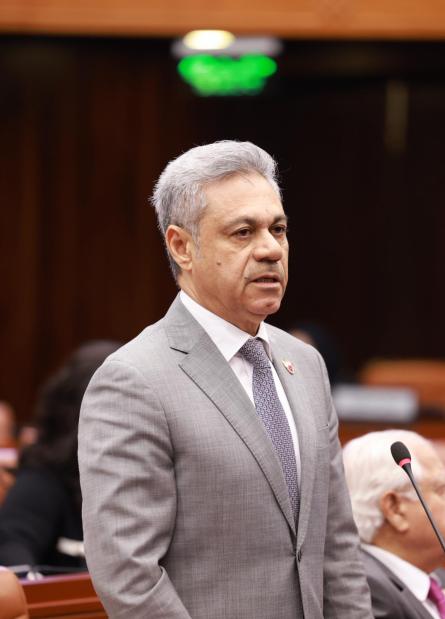
Dr Hassan
Dr Hassan further warned that limiting automatic lease renewals to one year would violate the long-standing legal principle that contracts are binding agreements between parties.
“Parties should remain free to agree on renewal terms and conditions without legislative imposition,” he stressed, reaffirming the committee’s view that the proposed amendments were unnecessary.
However, not all members agreed with the committee’s recommendation.
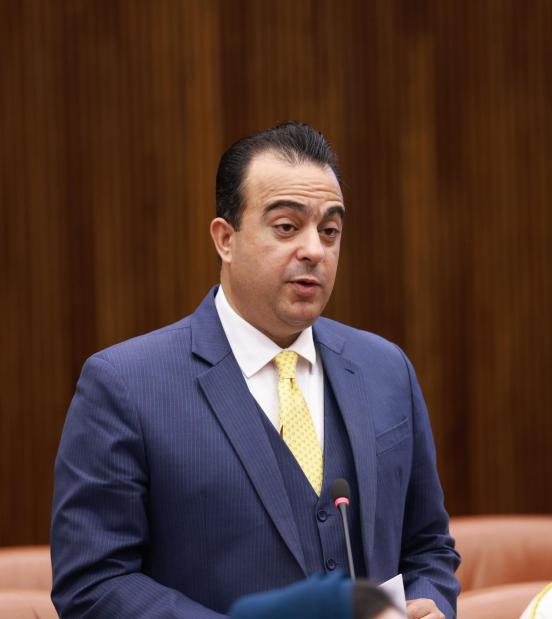
Mr Al Aradi
Shura member and Bahrain Chamber for Dispute Resolution (BCDR) board of trustees chairman Ali Al Aradi said the amendment included useful provisions that could have been refined rather than rejected outright.
“The committee argued that the goals of the proposal are already achieved under the Civil and Commercial Procedures Law,” he said. “But, if these rules are already effective, why not incorporate them directly into the Rents Law itself? The Civil Procedures Law deals with general principles about debt and debtors, while the proposed amendment would tailor them specifically to rental cases.”

Mr Al Qassab
Shura youth committee vice-chairman Hisham Al Qassab also questioned whether the high frequency of rental disputes reflected a legislative gap or a lack of awareness among landlords and tenants.
“Some neighbouring countries have adopted model lease agreements to provide clearer guidance for both parties on property handover procedures,” he suggested.
Shura legislative and legal affairs committee chairwoman Dalal Al Zayed defended the existing legal framework, describing rental contracts as consensual agreements governed by mutual consent.
“Lease contracts are voluntary agreements that define all conditions from start to finish, including the rights and duties of both landlord and tenant,” she said.
“The proposed law conflicts with this principle of contractual freedom.”
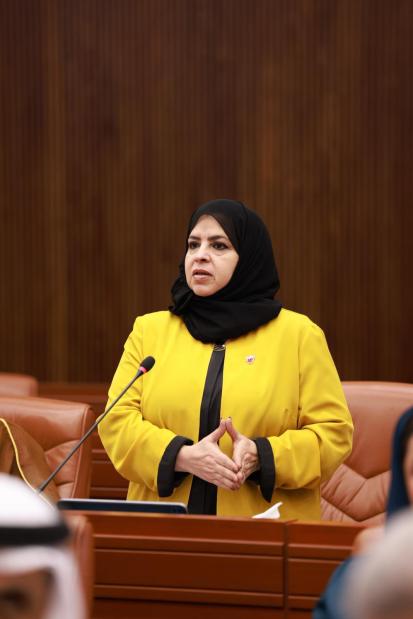
Ms Al Zayed
Ms Al Zayed added that Bahrain’s Rent Law already outlines how contracts are renewed and that any renewal must reflect the original agreement between the parties.
“If both parties remain silent, the contract renews automatically under the same terms and for an equivalent period,” she explained. “No party can unilaterally impose new conditions or durations. Any renewal must be in writing to avoid disputes.”
She also cautioned against fragmenting the existing system, emphasising that current procedures are well-established through law, court practice and ministerial regulations.
“There are already clear legal mechanisms, specialised rent courts and organised procedures for property handovers,” Ms Al Zayed said.
“Partial amendments like this risk undermining the stability of current practice.”
The amendments have been returned to Parliament for a second review.
mohammed@gdnmedia.bh
&uuid=(email))