

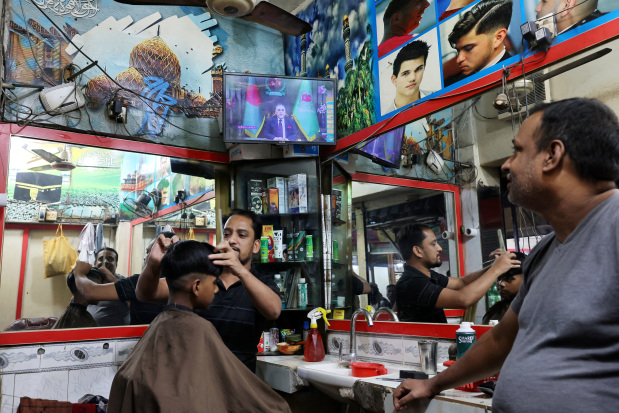
Bangladesh will hold parliamentary elections on February 12, authorities said, its first national vote since a deadly student-led uprising forced then Prime Minister Sheikh Hasina to flee to India last year.
An interim administration led by Nobel laureate Muhammad Yunus has governed since, but has been grappling with fresh protests over delayed reforms, and warnings of unrest by Hasina’s party, which has been barred from the vote.
Highlighting the turmoil, President Mohammed Shahabuddin – who was nominated for the largely ceremonial role by Hasina – said he would step down after the vote, halfway through his term, telling Reuters he has felt humiliated by the Yunus government.
Analysts say voters’ concerns include restoring democratic rule, reviving the core export-driven garment industry and repairing ties with giant neighbour India, which have been strained by New Delhi taking in Hasina.
Nearly 128 million voters are eligible to take part at more than 42,000 polling stations across 300 seats.
The vote will run alongside a referendum on implementing the so-called ‘July Charter’, a state reform plan drafted in the aftermath of the unrest, Chief Election Commissioner AMM Nasir Uddin said in a national broadcast.
The charter proposes wide-ranging changes to state institutions, including curbing executive powers, strengthening the independence of the judiciary and election authorities, and preventing the misuse of law-enforcement agencies.
Yunus welcomed the announcement of the election and referendum schedule, describing it as a defining moment for Bangladesh.
&uuid=(email))