

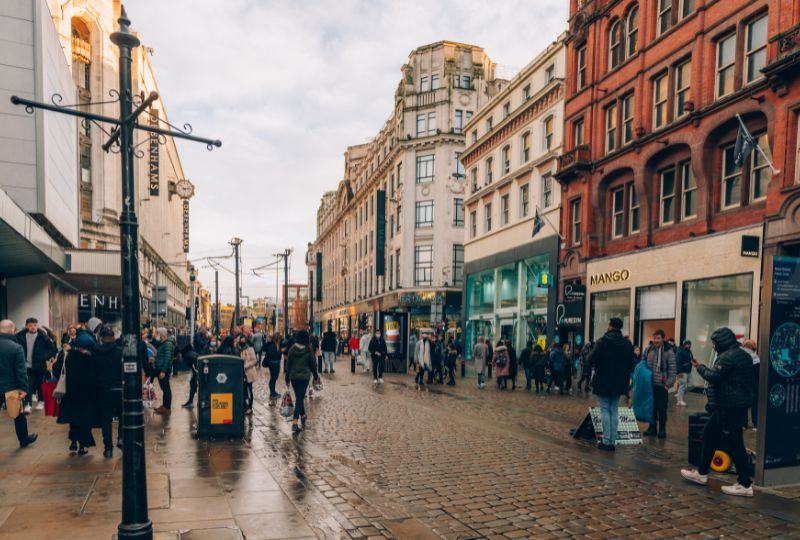
In the modern era, our lives are often divided into two primary spheres: the ‘first place’ (home) and the ‘second place’ (work).
However, as remote work blurs these lines, our community is witnessing the quiet disappearance – and the urgent need for – the ‘Third Place’. Coined by sociologist Ray Oldenburg, a third place is a public space where people gather simply to exist together: the local coffee shop, the community garden or the corner library.
These are not just physical structures; they are the social glue of our town. In a third place, there is no pressure to be ‘productive’ or ‘domestic’. You are simply a neighbour.
For our local youth, it provides a safe harbour for socialisation. For our seniors, it is a vital defence against the growing epidemic of loneliness. When we lose these spaces to high rents or digital isolation, we lose the ‘weak ties’– those casual acquaintances with the postman or the local barista – that make a town feel like a home rather than just a zip code.
As we look towards future urban planning, we must prioritise these ‘anchors’.
Whether it is advocating for more park benches, supporting the small independent bookstore or participating in a community ‘Repair Café’, we are investing in our collective well-being.
A thriving town isn’t measured solely by its economic output, but by the strength of the spontaneous conversations happening on its sidewalks.
Let us commit to stepping out of our front doors and back into the shared life of our streets. Our mental health, and the very fabric of our community, depends on it.
Manoj Kumar M
&uuid=(email))