

GLOBAL stocks rose yesterday for a second straight session, even as the war in Iran drove up oil prices and ahead of a flurry of policy announcements from global central banks this week.
Israel said it killed Iran’s security chief, while a senior Iranian official said the new supreme leader had rejected de-escalation offers conveyed by intermediaries. US crude rose 1.24 per cent to $94.66 a barrel and Brent climbed to $101.73 per barrel, up 1.52pc as Iranian attacks on the UAE rekindled supply fears while the Strait of Hormuz remains largely shut. Both Brent and US crude are up more than 40pc for the month.
On Wall Street, US stocks were higher in early trading, led by a 1.7pc rise in the S&P 500 financial index as each of the 11 major S&P 500 sectors advanced.
The Dow Jones Industrial Average rose 432.97 points, or 0.92pc, to 47,379.38, the S&P 500 gained 44 points, or 0.66pc, to 6,743.38 and the Nasdaq Composite rose 146.77 points, or 0.66pc, to 22,520.95.
MSCI’s gauge of stocks across the globe rose 8.7 points, or 0.86pc, to 1,016.85 and was on track for its first consecutive daily gains in three weeks, while the pan-European STOXX 600 index rose 0.92pc.
The jump in oil prices and its potential to boost inflation have led markets to adjust expectations for easing policies from global central banks this year.
Markets are pricing in about 27 basis points of cuts from the US Federal Reserve by the end of the year after pricing in more than 50 basis points earlier this week, and roughly 35 basis points of hikes from the European Central Bank after pricing in a modest chance of a cut this year as recently as February, according to LSEG data.
While investors were largely not pricing in any cuts from the Fed at Wednesday’s policy announcement, the timing of any future cuts has been pushed further out this year.
“There are too many moving parts in a regular economy and then on top of it, we have this tremendously impactful conflict, which will make it even more impossible for the Fed to discern any patterns right now,” said Peter Andersen, founder of Andersen Capital Management.
“I would expect the Fed to stay on hold and to have a very unremarkable transcript and Press conference.”
Operations at the UAE’s Shah gas field remained suspended yesterday, while a new attack caused a fire in the key oil export terminal of Fujairah, highlighting how Tehran is disrupting energy flows from the region. Stock markets rallied on Monday as oil prices dipped on hopes shipping flows from the Gulf would improve and optimism about artificial intelligence helped boost US tech companies.
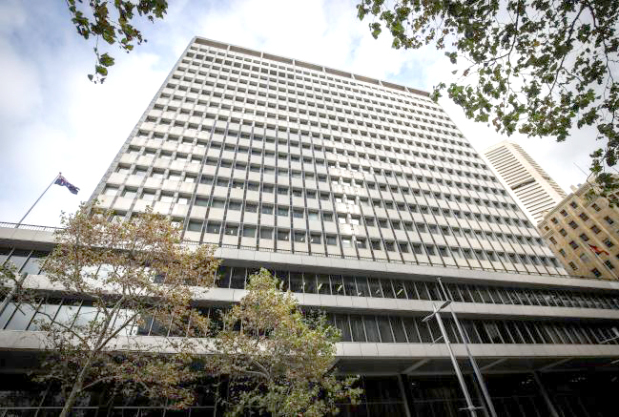
The Reserve Bank of Australia voted yesterday to hike interest rates for a second straight month, taking its benchmark rate to 4.1pc while warning of a material risk to inflation due to the Middle East war.
It set the tone ahead of policy statements from central banks in the US, Britain, euro zone, Japan, Canada, Switzerland and Sweden this week, all of which will hold their first meetings since the start of the Iran war. Investors will look for clues on how rising crude prices could affect the interest-rate path. The US Fed is largely expected to hold rates steady at its policy announcement, and policymakers are more likely to strike a cautious if not outright hawkish tone this week due to the current oil shock.
The shifts in central bank expectations have led to large moves in government bonds, although moves were subdued yesterday.
&uuid=(email))