

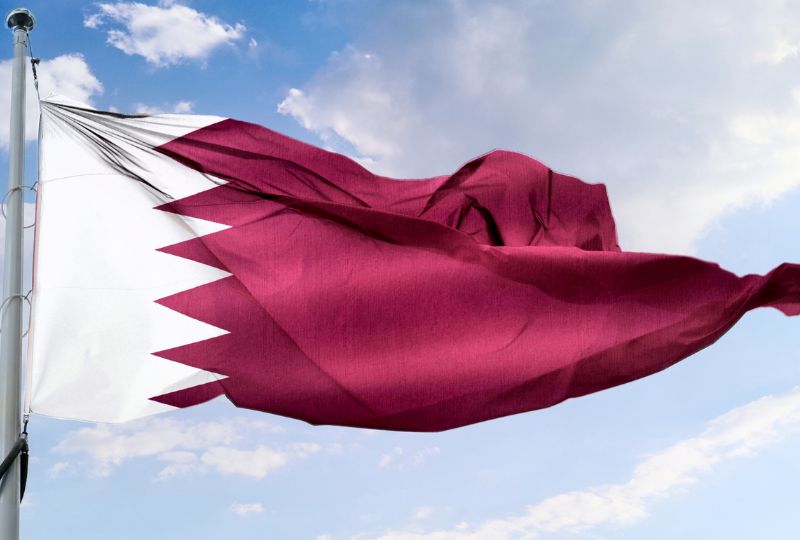
QatarEnergy yesterday declared force majeure on some of its affected long-term LNG supply contracts, with counterparties including customers in Italy, Belgium, South Korea, and China.
Force majeure allows companies to pause contractual obligations when events beyond control interfere with operations. Energy markets have been on edge since February 28, when the conflict widened with strikes on Iranian targets. Since then, missile and drone attacks have hit oil and gas facilities across the Middle East, drawing global concern.
Iran’s reported actions have also affected the Strait of Hormuz, a key passage for global oil and LNG shipments. The disruption of this route has raised concerns over supply flows and price volatility.
QatarEnergy CEO Saad Al Kaabi last week said an attack on the Ras Laffan gas facility caused major damage to infrastructure, reported Al Jazeera.
Two of Qatar’s 14 LNG trains, the equipment used to liquefy natural gas, and one of its two gas-to-liquids facilities were damaged in Iranian attacks, he said.
He added that the impact has led to “about 17 per cent of the country’s LNG export capacity” being wiped out, resulting in an estimated $20 billion in lost annual revenue and affecting supply to Europe and Asia.
&uuid=(email))