

Bahraini housewives aged 40 and above could soon become eligible for monthly social assistance if MPs have their way.
A draft amendment to a law on Social Security is set for debate during Parliament session on Tuesday.
The proposal, endorsed by the services committee, introduces ‘housewives’ as a new eligible category under the law and redefines eligibility rules to allow support even if the husband is financially capable.
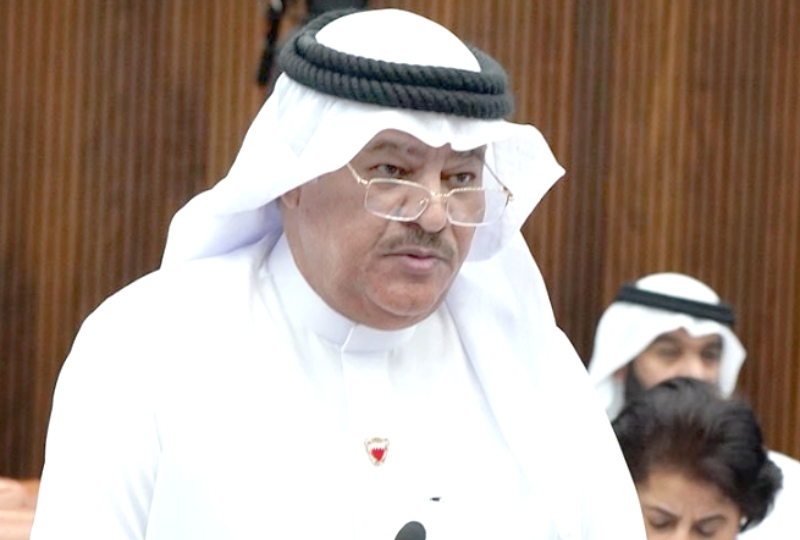
Committee rapporteur MP Mohammed Al Olaiwi said the amendment recognises the unpaid contribution of women who dedicate their lives to raising families.
“This proposal is about dignity and recognition,” he said. “Many housewives, including degree holders, have spent decades serving their families without income, savings or security. When they reach 40, some find themselves with no independent means of support.”
The draft law adds a new definition of ‘housewife’ to Article One – describing them as any married woman aged 40 or older who is dedicated to family care and lacks a fixed income or sufficient funds to support herself – even if her husband can afford to do so.
The committee removed the word ‘Bahraini’ from the definition, noting that Article Three already restricts social assistance to citizens.
Data from the Information and eGovernment Authority showed there are 30,147 married Bahraini housewives aged 40 and above as of June 30, 2025 – a figure MPs say highlights the potential scale of impact.
The government has urged MPs to reconsider, warning that the draft conflicts with the constitutional philosophy of social security, which targets actual economic need, not social roles.
In its memorandum, the government argued that the amendment violates equality and social justice principles. It also conflicts with alimony provisions in Family Law No 19 of 2017, which obliges husbands and relatives to provide financial support.
The proposal risks duplication of benefits across categories, lacks a financial-impact study and could strain the state budget, the government explained.
“The state’s role in social security is an exceptional intervention when family support fails,” the memorandum states. “This amendment transforms that role into a permanent substitute for the legal provider.”
The Supreme Council for Women agreed with the government, citing the absence of social and financial impact studies.
However, the Bahrain Women’s Union backed the spirit of the proposal, noting that housework often exceeds the hours of formal employment. It suggested refining the definition to distinguish between affluent housewives and those living in hardship.
Despite the reservations, the services committee unanimously recommended approval of the draft.
Mr Al Olaiwi said the amendment does not aim to encourage dependency but to address real cases of vulnerability.
“This is not about replacing the husband’s responsibility,” he said. “It is about cases where women, after decades at home, find themselves without personal income, protection or options. The law must be humane enough to see them.”
&uuid=(email))