

Bahraini pilgrims heading to Haj are being urged to prioritise their vaccinations immediately, with an official highlighting the importance of protection during the pilgrimage.
Health Ministry acting head of disease control department Dr Basma Al Saffar said yesterday that while most of the 4,625 pilgrims are up to date with immunisation, those who are not should visit their nearest health centre as soon as possible.
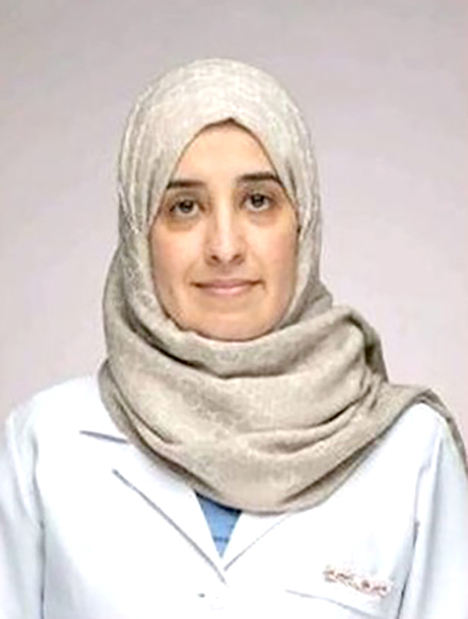
Dr Basma Al Saffar
Eid Al Adha is expected to begin on the evening of May 26 and will continue until May 29.
“Haj is a very important pilgrimage that allows Muslims to feel closer to God,” Dr Al Saffar said.
“Due to the sheer volume of people who perform this journey, it is of the utmost importance to ensure that everyone is up to date with their vaccinations. “Vaccinations play an important role in boosting immunity and protecting people from a plethora of diseases, especially contagious ones.
“They protect you and the people around you from illnesses, especially those with underlying conditions such as diabetes and heart disease.
“Additionally, you can also keep your friends and family safe when you return to the kingdom.”
Haj is one of the five pillars of Islam and is performed by millions of Muslims from around the world.
According to the Saudi authorities, in 2025, a total of 1,673,230 pilgrims, including 166,654 from Saudi and 1,506,576 from abroad performed the rituals.
Saudi Arabia mandates proof of vaccination against Meningococcal Meningitis (ACWY) for all pilgrims at least 10 days before arrival. ACWY is mandatory for all pilgrims aged one year and older and is valid for five years.
Other mandatory vaccinations include Covid-19 with proof of completed doses. Visitors arriving from countries with high risk of Yellow Fever and polio will be required to show proof of vaccinations against the diseases.
Seasonal influenza shots are strongly recommended, especially for the elderly, pregnant women, and those with chronic health conditions.
Pneumococcal vaccine is recommended for older adults and individuals with chronic conditions.
Finally, people are being urged to ensure they are up to date on immunisation for measles, mumps, rubella (MMR), diphtheria, tetanus, and pertussis.
Dr Al Saffar urged those yet to receive their remaining shots to visit the nearest health centre in any of the four governorates as soon as possible. “Just go to your local centre and inform them that you are going on Haj and need to get the necessary shots,” she said.
“Follow their instructions and recommendations on which vaccines to take, and once you are done, ensure you have your certificate with you to present to Saudi authorities, if requested upon arrival.
“I am happy to say that most of the 4,625 Haj pilgrims have already received all the necessary vaccinations.
“As for the rest, they should get them as soon as possible to avoid any potential issues.” The GDN reported last week that Bahrain Haj Mission, in co-operation with the Ministry of Haj and Umrah in Saudi Arabia, has begun the distribution of Nusuk cards to pilgrims through licensed tour operators. The cards are issued before departure to the holy sites, ensuring readiness and streamlining procedures upon arrival.
The Nusuk card serves as the primary identification for pilgrims throughout the Haj season and is a mandatory requirement for entry to the holy sites and the Grand Mosque.
Meanwhile, Saudi Arabia’s Ministry of Haj and Umrah has stressed again that only pilgrims holding official permits will be allowed to perform, warning that violators will face penalties.
nader@gdnmedia.bh
&uuid=(email))