

Bahrain is set to host a major conference later this year to address the growing threat of antimicrobial resistance (AMR) and explore the latest scientific breakthroughs and solutions.
The third Bahrain International Antimicrobial Resistance and Infectious Diseases Conference will take place from September 18 to 20 at the Diplomat Radisson Blu Hotel, Residence and Spa.
Leading doctors, specialists and healthcare professionals from Bahrain, the GCC and beyond will participate in the event, themed ‘Antimicrobial Resistance: A Global Challenge’.
Supreme Council for Health (SCH) chairman Lieutenant General Dr Shaikh Mohammed bin Abdulla Al Khalifa is expected to attend.
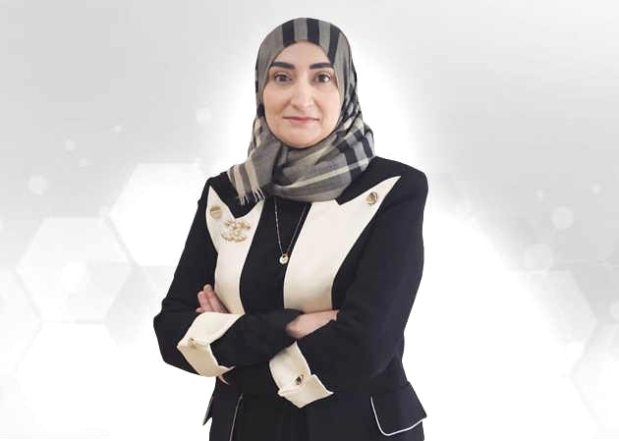
Conference president and infectious disease, internal medicine and geriatric consultant Dr Jameela Al Salman described the event as a vital platform for healthcare professionals, researchers, policymakers and industry leaders to exchange knowledge and collaborate on emerging challenges.
“This conference provides an important opportunity to hear from leading experts, engage in meaningful discussions and share valuable insights,” she said.
“The theme reflects the urgency of these global health challenges and the need for a co-ordinated international response.
“In Bahrain, we must recognise the importance of tackling this challenge, and we are committed to working with our partners to find innovative solutions.”
Dr Al Salman also encouraged participants to fully engage with the wide range of scientific and educational opportunities the conference will offer.
The first day will feature sessions on Antimicrobial Resistance (Global Challenges); Antimicrobial Resistance in the Eastern Mediterranean Region: Challenges, Strategic Responses and the Path Forward; Climate Change and AMR; Immunisation Challenges; and Transformative Roles of AI in Infectious Diseases, Diagnostics, Surveillance and Personalised Medicine.
The second day will feature sessions including: Prevention of HIV; HIV in Pregnancy; The Future of HIV Care; Increasing AMR Awareness; Sexual Transmitted Diseases: An Update; De-escalation as a Cornerstone for Antimicrobial Stewardship; and the Value of Rapid Diagnostic tests in the Fight Against Microbial Resistance.
The final day will include discussions on WHO Tools: Establishing an Antimicrobial Stewardship Programme; Peer Power: Using Feedback to Curb Antibiotic Overuse; Rapid Testing and Antimicrobial Stewardship in ICU; Antimicrobial Stewardship in Urinary Tract Infection; and Top Paper in ASP.
Bahraini speakers include Dr Al Salman, Prof Manaf Alqahtani, Dr Nermin Kamal and Dr Tariq Al Musawi.
GCC speakers include Dr Ali Omrani, Dr Ahmed AlHammadi, Dr Areej Al Ali, Dr Khalid Eljaaly, Dr Muhammed Koya, Dr Majid Al Shamrani, Dr Nezar Bahabri, Dr Salah Al Awaidy and Prof Ziad Memish.
International speakers include Prof Andrew Seaton, Dr Ahmed Cordie, Dr Bradley Langford, Dr Laura Byrne and Dr Nadia Ahmed.
Health Ministry assistant under-secretary for public health Dr Samia Bahram told Shura Council members, during a weekly session in 2024, that combating AMR was a top priority, with strategies underway to stop the insidious spread of superbugs.
Shura members voted unanimously on proposed amendments to the 2018 Public Health Law that would force the Health Ministry to develop a national plan to tackle the threat. The proposal was presented by five members led by Dr Al Salman, who is also a Shura Council member.
Fellow Shura Council members at the time claimed there were 32 antibiotics in the market which superbugs were resistant to.
Global health officials have repeatedly warned about the rise of antimicrobial-resistant microbes due to the misuse and overuse of antibiotics, which encourages microorganisms to evolve into ‘superbugs’.
In addition to death and disability, AMR has significant economic costs. The World Bank estimates that AMR could result in $1 trillion additional healthcare costs by 2050, and $1trn to $3.4trn gross domestic product (GDP) losses per year by 2030.
julia@gdnmedia.bh
&uuid=(email))