

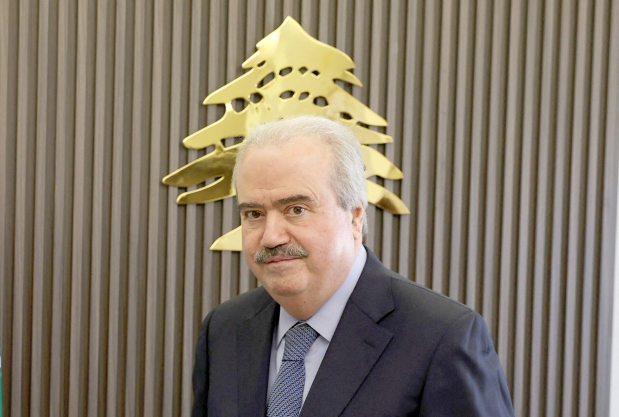
The ongoing war between Israel and Lebanese armed group Hezbollah is expected to shrink Lebanon’s economy by at least 7 per cent this year and could cost the country an estimated $20 billion, Finance Minister Yassine Jaber told Reuters.
The current conflict, which erupted on March 2 when Hezbollah fired at Israel in support of Iran, has dealt a new blow to Lebanon, already suffering from a 2019 financial meltdown and a 2024 war between Hezbollah and Israel.
In an interview on Wednesday, Jaber said he expected the current war to prompt an economic contraction of between 7pc and 10pc in 2026, and that direct and indirect damage to Lebanon could total as much as $20bn. The 2024 war cost Lebanon at least $8.5bn in physical damage and economic losses, according to the World Bank. Lebanon’s real GDP contracted by 7.1pc in 2024, the World Bank said, leading to a cumulative GDP decline of nearly 40pc since 2019.
In January, the World Bank had projected a modest recovery of 4pc GDP growth in 2026 if the country remained stable, brought in some reconstruction aid and kept up efforts to introduce financial reforms.
Jaber said the government had been hoping for a budget surplus this year, but instead had allocated $50 million in public funds to support more than 1 million people displaced by the war.
Jaber said the full extent of the war’s economic damage to Lebanon would be determined by remittance inflows from the Gulf, the success of this summer’s tourist season and whether Israeli strikes would continue to destroy properties and livelihoods in Lebanon.
Remittances are a cornerstone of Lebanon’s economy, with hundreds of thousands of Lebanese in Gulf capitals sending money back home or returning for the holidays to spend their earnings.
But as Gulf economies come under pressure from the Iran war, Jaber is worried that Lebanon’s expats will be unable to sustain this role.
International aid has also fallen well short of what Lebanon received during the 2024 war, when it secured $700m in humanitarian support and dozens of planeloads of aid, Jaber said.
Despite a visit by UN Secretary-General António Guterres and an appeal for $300m, only around $100m has materialised, he said. A loan of $200m from the World Bank and a €45m grant from the European Union have provided some relief.
“We are depending on loans today,” Jaber said. “We are not getting a lot of grants.”
State revenues are also down, he said, but the government has been able to maintain the value of the Lebanese pound against the dollar, a rare bright spot in an otherwise bleak economic outlook.
&uuid=(email))