

US consumer sentiment fell to a record low in May as surging petrol prices linked to the Iran war intensified affordability concerns, highlighting broader dissatisfaction with President Donald Trump’s handling of the economy.
The University of Michigan’s Surveys of Consumers yesterday showed sentiment among Republicans and Independents dropped to the lowest level of Trump’s second term.
Trump won re-election in 2024 in large part because of his promise to reduce inflation, but Americans have faced higher prices from his sweeping tariffs and now from the US-Israeli war with Iran.
The nearly three-month-long conflict has disrupted shipping in the Strait of Hormuz, boosting energy prices, as well as straining global supply chains and causing shortages of a wide range of goods, including fertilisers, aluminium and consumer products.
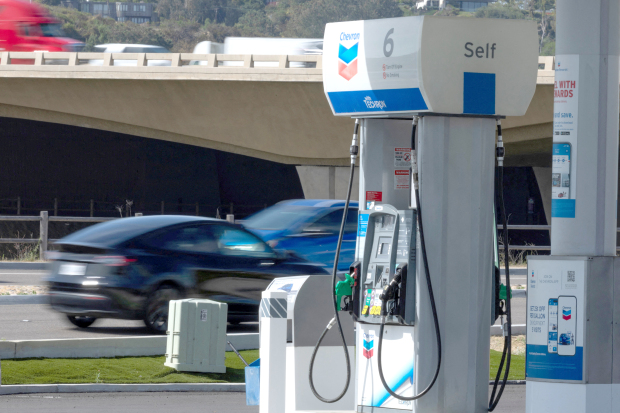
The national average retail petrol price has jumped more than 50pc since the war started to about $4.552 a gallon, data from motorist advocacy group AAA showed.
“American consumers are angry about the economy,” said Heather Long, chief economist at Navy Federal Credit Union. “They don’t like high costs for so many basics of life.”
The University of Michigan’s Surveys of Consumers said its Consumer Sentiment Index dropped to a final reading of 44.8, an all-time low, from 48.2 earlier this month.
The index was at 49.8 in April.
Economists polled by Reuters had forecast the index unchanged at 48.2.
Sentiment among Republicans fell to the lowest level since November 2024, a deterioration mirrored in other independent surveys.
A Reuters/Ipsos survey this week showed Trump’s presidential approval rating fell to nearly its lowest level since he returned to the White House, hit by a drop in support among Republicans.
The growing discontent is a warning sign for Trump and his Republican Party as they seek to hold their majorities in the November midterm elections.
The University of Michigan’s Surveys of Consumers showed little change in mood among Democrats.
There were marked declines in sentiment among lower-income consumers and those without college degrees, groups who are disproportionately impacted by higher prices for petrol and other essentials.
“The cost of living continues to be a first-order concern, with 57 per cent of consumers spontaneously mentioning that high prices were eroding their personal finances, up from 50pc last month,” said Joanne Hsu, the director of the Surveys of Consumers.
Investors shrugged off the slump in sentiment. Stocks on Wall Street were trading higher, with the blue-chip Dow Jones Industrial Average hitting a record high for the first time since the Iran war began.
&uuid=(email))