

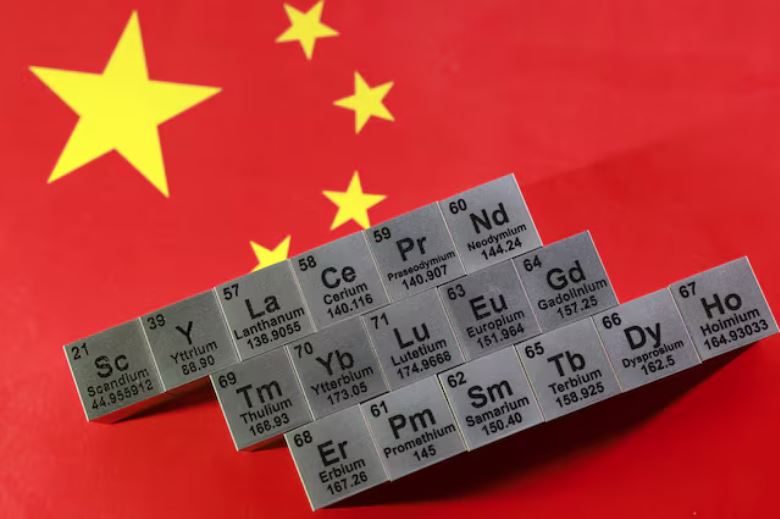
China has cut Japan off from several heavy rare earths and other materials for at least four months, coinciding with a dispute between the two countries over Taiwan, suggesting Beijing is using its control over critical minerals as diplomatic leverage.
Japan is the largest rare earth magnet maker outside China but like the rest of the world is overwhelmingly dependent on Beijing for imports of certain so-called heavy rare earths used in magnet-making, aerospace and defence, as well as gallium, a minor metal vital for chip-making.
Since December, Chinese exports of rare earth minerals like dysprosium, terbium and yttrium oxide, as well as speciality metal gallium, to Japan have stopped except for a few tiny shipments of yttrium, Chinese customs data shows.
Major Japanese magnet maker Shin-Etsu has stopped accepting new orders for dysprosium-containing magnets, according to a Western customer who spoke on condition of anonymity. The company declined to comment.
The halt to exports, which began shortly after a diplomatic row over Taiwan erupted in November, is similar to Beijing’s throttling of exports of such materials to the US during the current trade war.
Beijing publicly tightened export controls to Japan in January, and then twice again the following month, targeting major conglomerates including the shipbuilding and aero engine divisions of Mitsubishi Heavy Industries.
&uuid=(email))