

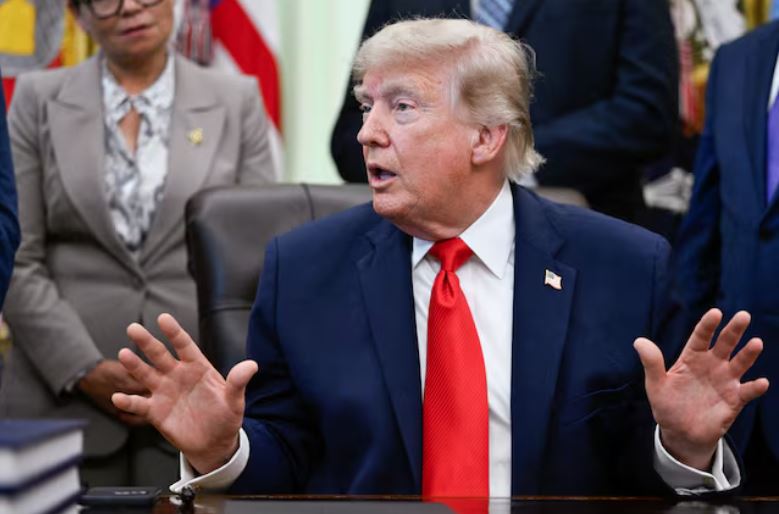
US President Donald Trump in a social media post yesterday said a deal with Iran was scheduled to be signed today and that the Strait of Hormuz would be immediately ‘open to all’ after it was signed.
Pakistani Prime Minister Shehbaz Sharif said the two sides had agreed on a framework for a peace deal and that Islamabad was preparing for an electronic signing today, to be followed by technical-level talks next week.
Earlier, Iranian foreign ministry spokesperson Esmaeil Baghaei cautioned against commenting on the timing of the signing.
A US official said: “It’s a great deal and a very strong deal.”
It is not the first time the two sides have appeared close to an initial agreement on ending the war that began on February 28 with joint US-Israeli strikes on Iran, but Sharif said on X: “We are closer to a peace deal than ever before.”
The proposed memorandum of understanding calls for reopening the Strait and lifting the US naval blockade, sources on all sides of the talks said. Negotiations over Iran’s nuclear programme – Trump’s stated rationale for starting the war – would take place afterwards.
“Iran is going to open up the Strait of Hormuz, that’s a requirement. It could be open with no tolls. As they do that, we will lift our blockade,” said the US official yesterday.
“It’s going to happen in conjunction, and part of the next step, the phase after that, is going to be the demining of the Strait,” the official said, indicating countries in the Group of Seven major powers could have a role in this.
Draft terms described to Reuters by multiple sources indicate the US would begin releasing billions of dollars in frozen Iranian assets and waive sanctions on its oil exports, in return for Iran opening the Strait.
Iran’s nuclear programme would be addressed during a 60-day period of talks. A US official said the agreement would ultimately lead to the dismantling of Iran’s nuclear programme, with its stockpile of highly enriched uranium to be destroyed and removed. The proposals also include discussion of possible war reparations for Tehran.
Israeli Prime Minister Benjamin Netanyahu said his country would not be party to the agreement.
&uuid=(email))