

.jpg?20260630')
Bahrain has begun enforcing a ban on single-use plastic bags as part of new measures to cut plastic waste and protect the environment, with the regulation set to officially take effect on August 20.
The Industry and Commerce Ministry said the ban falls under Decision No (7) of 2026, which prohibits the manufacture, import and use of plastic bags thinner than 57 microns.
Businesses have been urged to use the remaining time to clear non-compliant stock, stop producing or importing them and switch to approved alternatives. The ministry is also encouraging environment friendly options such as cloth bags, paper bags and fully biodegradable bags.
To put the new standard into perspective, 57 microns is equal to 0.057mm. A typical human hair is about 70 microns thick, while a sheet of paper measures around 100 microns.
Domestic and Foreign Trade assistant under-secretary Shaikh Hamad bin Salman Al Khalifa said the ministry is moving ahead with the implementation of the regulation in co-ordination with the Supreme Council for Environment.
“This initiative supports Bahrain’s national efforts to protect the environment, achieve Sustainable Development Goals, and align with the principles and objectives of Bahrain Economic Vision 2030 by reducing pollution and promoting recycling,” he said.
“The regulation includes exemptions for household waste bags, hazardous healthcare waste, pre-packaged food packaging bags and plastic bags manufactured for export.
“Plastic shopping bags that are 57 microns or thicker will still be allowed, as their durability makes them reusable.”
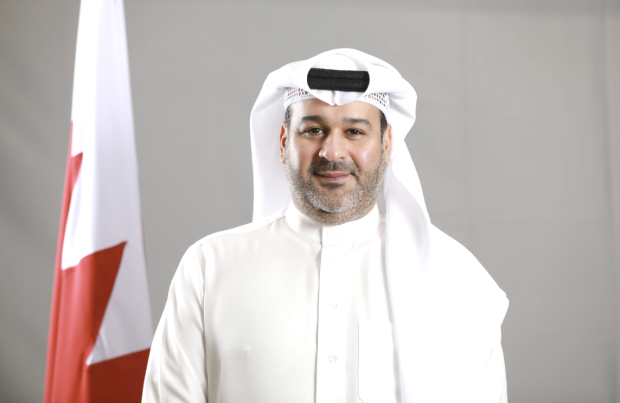
Shaikh Hamad
Shaikh Hamad noted that the ministry has completed the first phase of awareness campaigns targeting the commercial sector and is now entering the second phase, which focuses on increasing awareness among manufacturers, importers, traders and consumers about the requirements and the importance of completing preparations before enforcement begins.
He praised the co-operation shown by businesses so far and expressed confidence that it would continue in the coming weeks, helping improve sector readiness, strengthen environmental protection and support better waste management practices.
Thin plastic bags, film and wraps are dangerous because they rapidly break down into microplastics and nanoplastics, which can release toxic chemicals (BPA, phthalates) into food, water and air. These particles penetrate human organs and cells, causing inflammation and endocrine disruption.
The new decision follows joint studies by the ministry and the Supreme Council for Environment, including reviews of regional policies, global best practices and research into the environmental benefits of reducing plastic waste and carbon emissions.
Bahrain has been tightening plastic regulations for several years. In July 2019, the country banned plastic water bottles smaller than 200ml and restricted the import of non-biodegradable plastic bags.
In September 2022, Bahrain introduced a ban on the import, manufacture and distribution of single-use plastic bags with a thickness of less than 35 microns as part of the government’s plan to protect the environment from pollutants and reduce the spread of plastic waste.
A study conducted by the ministry in September 2024 showed that compliance with plastic bag regulations had already improved significantly. Out of 551 samples collected from 502 shops and sales points, 83 per cent were found to meet the required standards.
julia@gdnmedia.bh
&uuid=(email))