

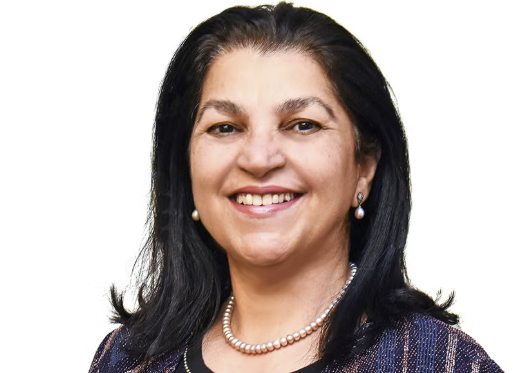
Greater attention and investment are needed to establish a comprehensive postpartum care system for both citizens and residents, a health expert has said, as postnatal care remains one of the most neglected areas of healthcare in Bahrain and worldwide.
Global health and sustainable development expert and former midwife Dr Naeema Al Qasseer noted the period after childbirth – often referred to as the ‘fourth trimester’ – is just as critical as pregnancy itself, as most maternal deaths occur after childbirth.
She warned that inadequate postnatal care can expose mothers to life-threatening complications, including haemorrhages, infections, dangerous spikes in blood pressure, blood clots and mental health crises such as postpartum depression, which affects roughly one in seven women globally.
“Women’s voices and decision-making need to be at the centre of care,” Dr Al Qasseer said, during the second day of the Bahrain International Women’s Health Conference and Exhibition, where she delivered a lecture titled ‘Investment in Postnatal Care as Key for Women’s Health: WHO Guideline’.
“Postpartum is a critical phase in a woman’s life, yet we continue to neglect it – not only in Bahrain but across the world.
“Seventy-five per cent of maternal deaths occur in the postnatal period, while 50pc of neonatal deaths happen within the first 24 hours after birth.
“In addition, 40pc of women globally, including in Bahrain, experience postnatal anxiety or depression. We need comprehensive services for both mothers and babies to ensure care is provided in line with recommended guidelines.”
Dr Al Qasseer highlighted the WHO 2022 postnatal care guidelines, which emphasise the need for stronger physical and mental health support after childbirth.
She said every mother and newborn should receive high-quality care in a health facility for at least 24 hours after delivery, followed by a minimum of three additional postnatal check-ups during the first six weeks.
“These should include home visits where feasible to transition to home-based care,” Dr Al Qasseer noted.
The World Health Organisation recommendations also include early identification and treatment of medical complications affecting either the mother or baby, management of common postnatal conditions such as perineal pain and breast engorgement, newborn screening for eye and hearing disorders, birth vaccinations, breastfeeding support, access to postnatal contraception, and guidance on healthy lifestyle practices, including physical activity.
Dr Al Qasseer also highlighted the important role of midwives in supporting women throughout their healthcare journey, providing holistic care that combines clinical monitoring with emotional, physical and educational support.
Midwives conduct checkups, manage birth plans, and empower mothers to make informed decisions. During labour, they provide continuous, personalised support and advocate for physiological birth.
“My time as a midwife was the best part of my life,” Dr Al Qasseer said. “Midwives play a vital role in supporting the wellbeing and health of future generations.”
She added that Bahrain is well positioned to implement these recommendations through its primary healthcare network and Vision 2030 strategy, but greater investment is needed to translate plans into practice.
Dr Al Qasseer was the first Bahraini woman to work for the WHO and the first midwife from Bahrain selected for global educational expertise initiatives with the Royal College of Surgeons in Ireland Bahrain.
According to the WHO, more than 700 women die every day globally from preventable causes related to pregnancy and childbirth, amounting to around 260,000 maternal deaths annually. More than 90pc of these deaths occur in low and lower middle income countries.
julia@gdnmedia.bh
&uuid=(email))