

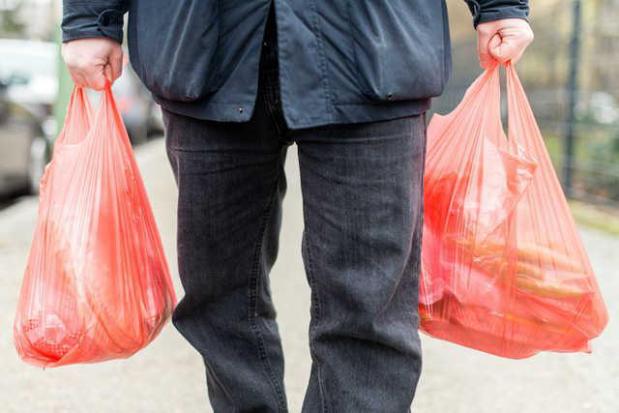
The Bahrain Chamber has welcomed the decision to ban single-use plastic bags, describing it as a significant step that reflects the kingdom’s commitment to environmental sustainability and the shift towards more responsible production and consumption practices.
The ban, introduced under Decision No 7 of 2026, prohibits the manufacture, import and use of plastic bags thinner than 57 microns.
Commending the efforts of the Industry and Commerce Ministry, in co-operation with the Supreme Council for Environment (SCE), the chamber praised the implementation of initiatives aimed at reducing the environmental impact of single-use plastics.
“The private sector is a key partner in the success of national initiatives with an environmental dimension,” the Bahrain Chamber said in a statement yesterday, stressing its commitment to promoting sustainability. It also encouraged the use of eco-friendly alternatives and solutions that balance economic growth with environmental protection.
It added that the shift towards sustainable products would drive innovation, support the green economy and enhance the competitiveness of private sector institutions, while strengthening Bahrain’s appeal as an investment destination.
Private sector companies were also urged to engage positively with the decision and prepare for its implementation on August 20, noting that co-ordinated efforts between the public and private sectors are essential to the success of national sustainability initiatives.
To put the new standard into perspective, 57 microns is equal to 0.057mm. A typical human hair is about 70 microns thick, while a sheet of paper measures around 100 microns.
Thin plastic bags, film and wraps are dangerous because they rapidly break down into microplastics and nanoplastics, which can release toxic chemicals (BPA and phthalates) into food, water and air. These particles penetrate human organs and cells, causing inflammation and endocrine disruption.
The new decision follows joint studies by the ministry and the SCE, including reviews of regional policies, global best practices and research into the environmental benefits of reducing plastic waste and carbon emissions.
Bahrain has been tightening plastic regulations for several years. In July 2019, the country banned plastic water bottles smaller than 200ml and restricted the import of non-biodegradable plastic bags.
In September 2022, Bahrain introduced a ban on the import, manufacture and distribution of single-use plastic bags with a thickness of less than 35 microns as part of the government’s plan to protect the environment from pollutants and reduce the spread of plastic waste.
julia@gdnmedia.bh
&uuid=(email))