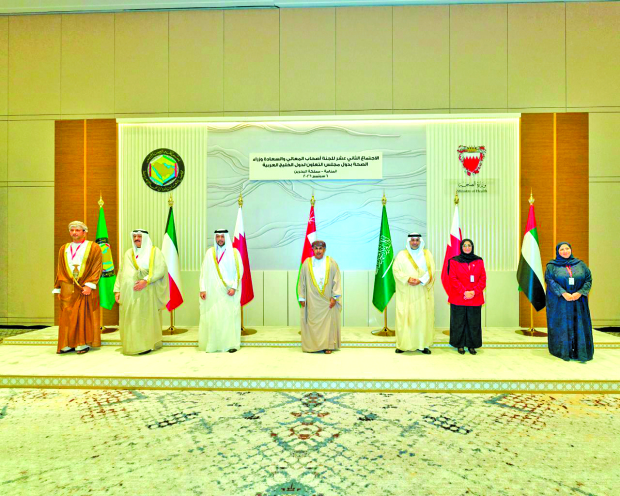
The GCC must continue to strengthen health co-operation and develop mechanisms for the exchange of expertise and information, Health Minister Dr Jalila Al Sayyed has stressed.
This will support the readiness of health systems, ensure sustainable services and secure supply chains, while enhancing their ability to address rapidly evolving health challenges, she told a meeting of the GCC Committee of Ministers of Health.
The kingdom hosted the 12th meeting of the committee yesterday as part of Bahrain’s presidency of the 46th session of the GCC.
Dr Al Sayyed addressed current security and regional developments and their repercussions for the countries of the region.
The minister expressed Bahrain’s condemnation of the Iranian attacks on the kingdom, GCC countries and Jordan, describing them as violations of international law, the UN Charter and UN Security Council Resolution 2817.
She noted their repercussions on lives and infrastructure, as well as transport and supply chains, including essential and medical supplies.
The minister also highlighted the repercussions of threats to the security and safety of maritime navigation in the Strait of Hormuz, and the potential impact on energy security, international trade, and supplies of food, medicines and humanitarian aid.
In this context, she stressed the importance of strengthening joint Gulf preparedness and co-ordination, and ensuring the sustainability of supply chains and health services.
She underscored the importance of continuing joint Gulf efforts and integrating efforts across various health fields in line with regional and international developments, enhancing the efficiency and preparedness of health systems and supporting their ability to ensure the continuity of services for the health and safety of GCC citizens and residents.
The meeting discussed agenda items, foremost among them following up on the implementation of decisions of the GCC Supreme Council in the health sector, strategic stocks of food, medicines and medical supplies, the GCC Strategy to Combat Drugs (2025-2028), the screening of expatriate workers, and several priority issues related to joint Gulf health co-operation.