

The International Monetary Fund (IMF) yesterday flagged significant growth and financial stability risks from a potential ending of the AI investment boom, growing debt levels and a prolonged Middle East conflict.
The IMF forecast global growth at 3.1 per cent for 2026, a slight uptick from a 3.0pc forecast in July as still-strong AI infrastructure investment offset higher oil prices caused by the war in the Middle East.
The latest World Economic Outlook report, released in Bangkok during the annual meetings of the IMF and World Bank, also predicts 3.4pc growth in 2027, but that is based on assumptions that the Strait of Hormuz reopens by March and shipping conditions return to the pre-war situation by October 2027.
A more protracted war that kept oil prices above $130 through the first quarter of 2027 would cut growth next year by half a percentage point, the IMF said.
In another downside scenario, the IMF said that a steep drop in AI investment could lead to a sharp fall in asset prices, ultimately cutting global GDP by 1.1pc by 2028, including a 1.8pc drop in US output.
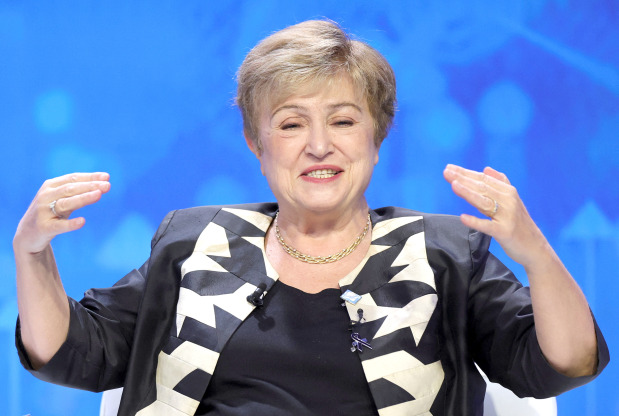
“We now have an economy that is standing on one leg, the AI leg,” IMF Managing Director Kristalina Georgieva told a Bretton Woods Committee event. “What if it wobbles? What if there is disappointment and that leads to potentially a more difficult environment?”
The IMF emphasised similar risks in its separate Global Financial Stability Report, warning policymakers needed to avoid ‘complacency’ in guarding against a potential pullback in AI investment and stock valuations.
“If there are questions about the monetisation of AI, the equity investments will deplete in value, the debt may be difficult to service, and the revenue commitments in the future may not materialise,” Jason Wu, assistant director of the IMF’s Global Markets Analysis Division, told a Press conference at the Bangkok meetings.
It would also lead to reduced trade, IMF chief economist Silvana Tenreyro said. Trade in AI goods grew 29pc between 2023 and 2025, more than triple the 8.3pc growth rate of global trade over the same period. Without the AI trade, overall growth in trade would have been only 4.6pc, she said.
The IMF reports and meeting participants also highlighted risks from elevated public debt levels and rising bond yields that may be driven higher still by war-driven inflation pressures, eating up budgets to service debts and sapping growth.
Georgieva warned against complacency in ‘systemically important’ advanced economies that are ‘negligent about their fiscal position’ and failing to rein in debts like developing economies have been forced to do.
The debt vulnerabilities of many developing economies are a ‘major barrier’ to inclusive growth, said Nigerian Finance Minister Taiwo Oyedele, who chairs the Group of 24 developing nations, warning that member governments were increasingly contending with mounting debt burdens.
&uuid=(email))