

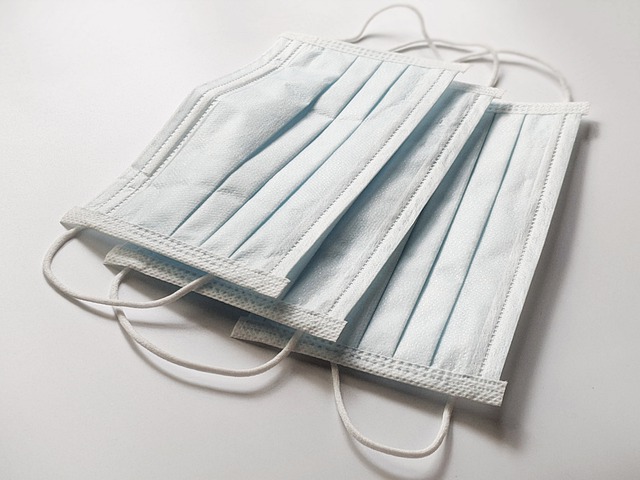
ACCORDING to a recent study, approximately 129 billion disposable masks and 65bn disposable gloves have been used every month during the coronavirus (Covid-19) pandemic.
The UN estimates about 75 per cent of this plastic will likely end up in landfills or the sea.
From surgical masks and gloves to disposable hospital gowns and aprons, the pandemic is creating a mountain of plastic medical waste that is polluting the land and sea, raising serious concerns among doctors and environmentalists.
Disposable personal protection equipment (PPE) not only cause environmental damage, but they could spread the virus which survives up to three days on plastics. This is of particular concern in countries where medical waste management is poor.
If everything is thrown away it will create more disease, so it becomes a never-ending cycle.
Therefore, reusable PPEs could be a potential solution to stop tonnes of single-use medical wear that are currently ending up in landfill, incinerators, and waterways – and save hospitals a fortune.
To reduce plastic waste generated by single-use PPEs, entrepreneurs are also looking at how to recycle plastic PPE – turning it into everything from toolboxes to bricks. There are companies that manufacture machines about the size of a large American fridge that melt down hospital gowns, masks, hairnets, tray wraps and ward curtains into plastic bricks. The bricks can sometimes be three times stronger than earth bricks, twice the size and almost half the cost.
The plastic and its bricks can be used to manufacture anything from school chairs to 3D printer filament and yarn for clothing.
The pandemic has made us far more aware of how much waste we’re generating and that it’s not sustainable and there is a need to explore all possible sustainable ways to tackle plastic waste for our environment.
Dr Adnan Younis,
Assistant Professor of Nanomaterials
Science and Physics,
Science and Physics,
College of Science, University of Bahrain
&uuid=(email))