BAHRAIN’S health regulators have this year so far confiscated more than 60 illegal tattoo devices and 500 types of unlicensed tattoo inks that it believes could have posed a grave health threat to clients.
The GDN also learnt that the National Health Regulatory Authority (NHRA) rejected 10 applications submitted by individuals to import tattoo inks into the country during this period.
NHRA engineering consultant and medical device regulation section acting head Nada Ghassan Alsayegh said an aggressive campaign would be launched to crack down on the sale of spurious tattoo inks and inferior products smuggled into the country.
“Instagram is flooded with advertisements by tattoo artists, unfortunately these are illegal. Currently there are no legal tattoo parlours or artists in the country,” Ms Sayegh told the GDN.
She, however, added that the authority has the option open for individuals who wish to offer the body art legally. “All the devices and inks that we seized were smuggled into the country by people in their personal baggage, which is violation of rules put in place to ensure consumer safety,” she said.
“Anyone who wishes to do this legally can submit all relevant documents related to the manufacturing and preparation of the devices and the ink to the NHRA – we will approve it if it is according to our standards. But we are not the ultimate authority – since it is not a medical product, but a cosmetic health product, it should be certified by the Health Ministry.

NHRA warning on illegal tattoo inks
“Once these requirements are carried out they could practise in the country.
“We have rejected not less than 10 sets of documents as they did not comply with our safety criteria. We are currently reviewing four more applications.”
Ms Sayegh said the NHRA has initiated a campaign to better educate people who want to get tattooed.

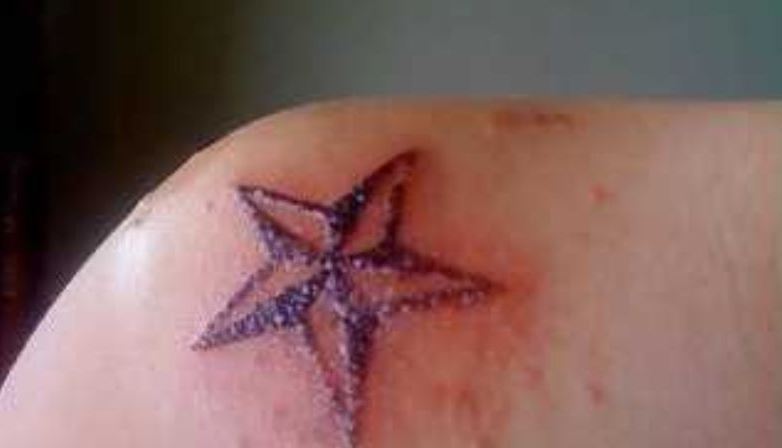
Complications of bad tattoos can be itchy skin, rashes, allergy and blisters
“We want to make sure they do it legally, in a safe manner,” she said. “We are conducting inspections, along with the Health Ministry, in salons and apartments and we have so far seized 63 illegal devices and 424 unlicensed ink bottles this year alone.
“The numbers are higher than in previous years as social media is flooded with promotions – all of which are illegal.”
The NHRA also posted on its social media photographs revealing the impact of unsafe tattoo inks on skin, which could lead to complications ranging from itchy skin, rashes, allergy and blisters to tumours and blood diseases.

Ms Alsayegh
“We urge all to be careful when they opt for a tattoo – as some of them can cause serious skin damage and diseases,” added Ms Alsayegh.
“The permanent ink used in such products may contain harmful chemicals – the metal in the ink could also badly react should a person one day need to undergo a magnetic resonance imaging (MRI) leading to blisters or burns.
“They could also get itchy skin rashes from inks that contain some herbal pigments, which are toxic, despite being natural.”

Unsafe and unhygienic tattoo needles can cause skin damage
The GDN reported last month that NHRA chief executive Dr Maryam Al Jalahma had pledged a tough crackdown on health violations after two illegal cosmetic practitioners (one a tattoo artist) were arrested within a span of five days. An Arab expatriate woman was caught red-handed drawing tattoos illegally at her Manama apartment.
The US Food and Drug Administration (FDA) which issued warnings on the use of such inks and withdrew many earlier this year had pointed out possible disfigurements from injecting permanent ink as eyeliner, lip liner or eyebrow colouring.
The notice listed scarring and difficulty eating among the worst side effects of so-called ‘permanent make-up’. Swelling, cracking, peeling, blistering, scarring and the forming of granulomas – chronic swelling and infection in tissue near the eyes or lips – were among other side effects listed by the FDA.

Bad tattoos could cause tumours and blood diseases
European Chemicals Agency also last year called for action to deal with the presence of hazardous chemicals in permanent make-up and tattoo inks. It highlighted the composition of the inks used, and in particular the use of the so-called CMR substances: Carcinogenic or causing cancer, mutagenic or affecting cell development and reprotoxic, which interfere with fertility and the reproductive system.
raji@gdn.com.bh