

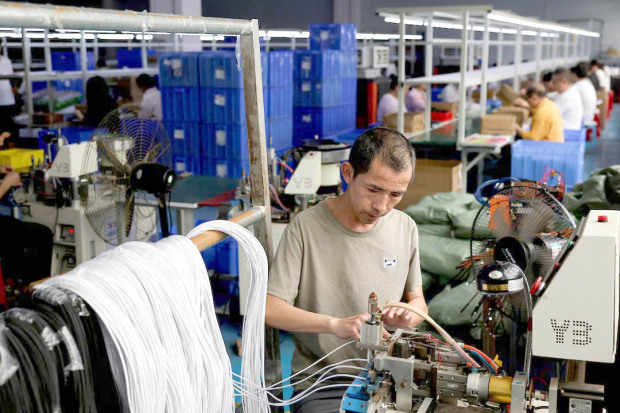
The global economy is facing ever more tangible strains from the energy shock triggered by the Iran war as factories grapple with soaring production costs and activity weakens even in services sectors, major surveys showed yesterday.
While much of the world’s economy has shown resilience in the face of the worst disruption to energy supplies in modern times, the knock-on effects of the near-two-month conflict are starting to push up inflation while raising concerns about food supplies and prompting downgrades to economic growth.
This week has already seen a string of downbeat business and consumer morale readings and cautious outlooks from top listed companies.
The closely watched set of S&P Global surveys of purchasing managers released yesterday showed worse to come.
They pointed to the 21 countries of the euro zone as among the hardest hit, with the preliminary reading of its headline index for the region falling from 50.7 in March to 48.6 in April – a sub-50 tally that indicates a shrinkage in activity.
The input price index surged to 76.9 from 68.9, showing how euro zone factories are facing a jump in their production costs.
The index covering the bloc’s dominant services industry meanwhile sank to 47.4 from 50.2, well below a Reuters poll estimate of 49.8.
“The euro zone is facing deepening economic woes from the war in the Middle East,” said Chris Williamson, chief business economist at S&P Global.
“Increasingly widespread supply shortages meanwhile threaten to dampen growth further while adding more upward pressure to prices in the coming weeks.”
&uuid=(email))