

A REVOLUTIONARY therapy that could offer cure for several genetic ailments will be the focus of a major forum to be held in Bahrain.
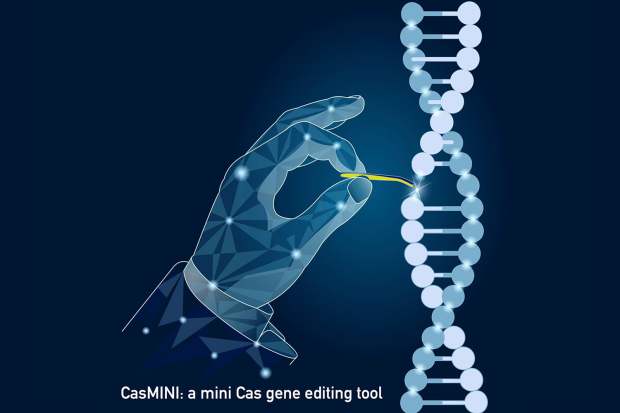
The International Conference on Gene Therapy and Regenerative Medicine will feature top speakers from around the world, who will discuss CRISPR – a technology that allows scientists to make precise changes to the DNA more easily than ever before.
The two-day event organised by the Arabian Gulf University (AGU) will be held on March 13.
CRISPR - acronym for clustered regularly interspaced short palindromic repeats – gained prominence after its founders, Emmanuelle Charpentier and Jennifer Doudna from the University of California, Berkeley, received the 2020 Nobel Prize in Chemistry.
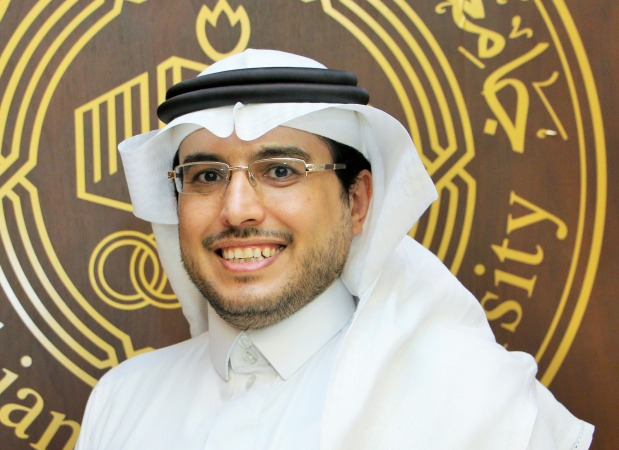
Prof Dr Al Shammari
Conference president and AGU Regenerative Medicine associate professor Dr Safouq Al Shammari told the GDN that now “is the right time for the region” to learn more about the technology.
“The conference aims to cater to the region’s needs by presenting the new revolutionary technology of gene editing,” said Prof Dr Al Shammari.
“One of the main topics will be CRISPR, which is a tool for editing, modifying, and correcting genes.”
According to research, CRISPR is a technology that will most likely change the world – the essence of which is a method of finding a specific piece of DNA inside a cell. It has also been adapted to perform other functions, such as turning genes on and off without changing their sequence.
“With CRISPR, gene editing is much easier,” he explained. “The region also has a large number of genetic diseases due to various cultural reasons, and the technology could be of assistance.
“Over the two days, we will have elite speakers from Harvard, Mayo Clinic, and other institutions presenting their insights and the most recent research on the topic.”
According to the World Health Organisation (WHO), approximately 90 per cent of Arabs are carriers of at least one genetic disorder such as Thalassemia, Cystic Fibrosis, Sickle Cell Anaemia, or Fragile X Syndrome. Bahrain has a high pre-prevalence of Sickle Cell Anaemia, with official statistics indicating that 8,664 citizens – 4,271 males and 4,393 females– are affected.
Last month, it was reported that American Victoria Gray, a sickle cell disease patient, volunteered for the CRISPR treatment, which enabled her to overcome sudden pain attacks and fatigue while doing away with blood transfusions and powerful pain medication.
Prof Dr Al Shammari said the sessions will also cover recent developments in gene therapy around the world.
“Gene therapy was a theory a few years ago, but it is now medicine – not even clinical trials, but treatment for genetic disorders,” he said.
“The forum, the first-of-its-kind in the region, will bring together elite speakers and researchers from around the world to discuss the most recent advances in gene therapy and regenerative medicine.”
Another interesting topic that will be discussed is mRNA vaccines which have gained popularity as a result of Covid-19. An mRNA is a type of vaccine that uses a copy of a molecule called messenger RNA to produce an immune response in the body.
The conference will also address stem cell transplantation, bioengineering, as well as the legal and ethical challenges of gene and cell therapy.
“We will discuss ethical issues and how we can control the technology (gene) as it can change genetic features of human beings,” added Prof Dr Al Shammari.
Among the speakers are Dr Damiano Rondelli (University of Illinois), Prof Jean Antoine Ribel (Boston University Medical Centre), Prof Vardit Ravitsky (Harvard Medical School) and Prof Fergal O’Brien (Royal College of Surgeons, Ireland).
The event is set to be held at the Gulf Hotel Convention Centre.
raji@gdn.com.bh
&uuid=(email))