

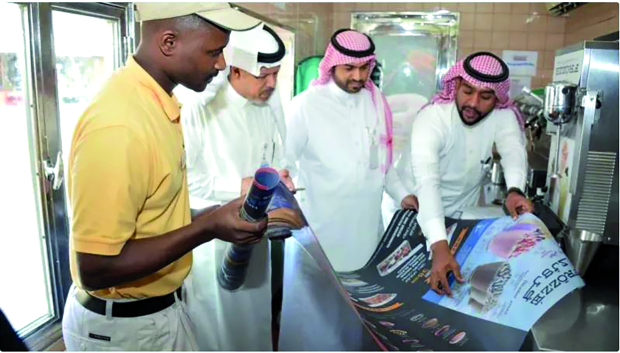
Restaurants and cafés in Bahrain could be obliged to label their foods and beverages in a bid to deal with allergens and provide accurate nutritional information.
A proposal to introduce the labels was presented yesterday by Southern Municipal Council chairman Abdulla Abdullatif who said it should be implemented by January 1 next year.
“Navigating the nuances of effectively labelling food in a restaurant or café is not just a regulatory compliance issue; it’s an art that enhances customer experience and safety,” he added.
.jpeg)
Mr Abdullatif
“Whether it is dealing with allergens, providing nutritional information, or simply aiming to entice clientele with mouth-watering descriptions, mastering the craft is vital.
“The initial step towards effective labelling is to understand the regulatory requirements that apply to your locale, as these can vary significantly from one jurisdiction to another.
“Ensuring compliance with these regulations is key to operating successfully and avoiding any legal complications.”
The councillor added that the ministers of Health and Industry and Commerce must ensure that the information provided is clear, easily accessible and understood by all customers.
“This transparency not only builds trust with your patrons but can also serve as a positive highlight in marketing your restaurant’s commitment to consumer health and safety,” he said.

Mr Al Salloom
Approved in 2018, mandatory display of nutritional information, aimed at tackling obesity, was to be implemented on January 1, 2019.
However, it was not put into effect owing to the lack of a tool or standardised methodology for calorie calculation.
The government has approved a proposal by Strategic Bloc president MP Ahmed Al Salloom, who is also a Bahrain Chamber board member, to introduce “calorie” labelling.
Compulsory labelling?
The Industry and Commerce Ministry was asked to hire a specialised company to provide calorie checks and certifications.
In 2021, Mr Al Salloom suggested putting the rule on hold until the company steps in and starts work with restaurants and cafés.
The GDN has previously reported that almost one-third of Bahraini teenagers are overweight or obese, according to official statistics. Global figures also rank Bahrain as the world’s 10th fattest nation.
A proposal to list calories on the menu was first tabled by the Muharraq Municipal Council in September 2018, following a similar initiative by the Saudi Food and Drug Authority.
Bahrain’s Health Ministry approved it and former under-Secretary Dr Waleed Al Manea told the GDN at the time that guidelines were being drawn up.
He said, in addition to the number of calories, food outlets should also list the ingredients and the percentage of fat in each item on menus, signboards, websites and social media accounts.
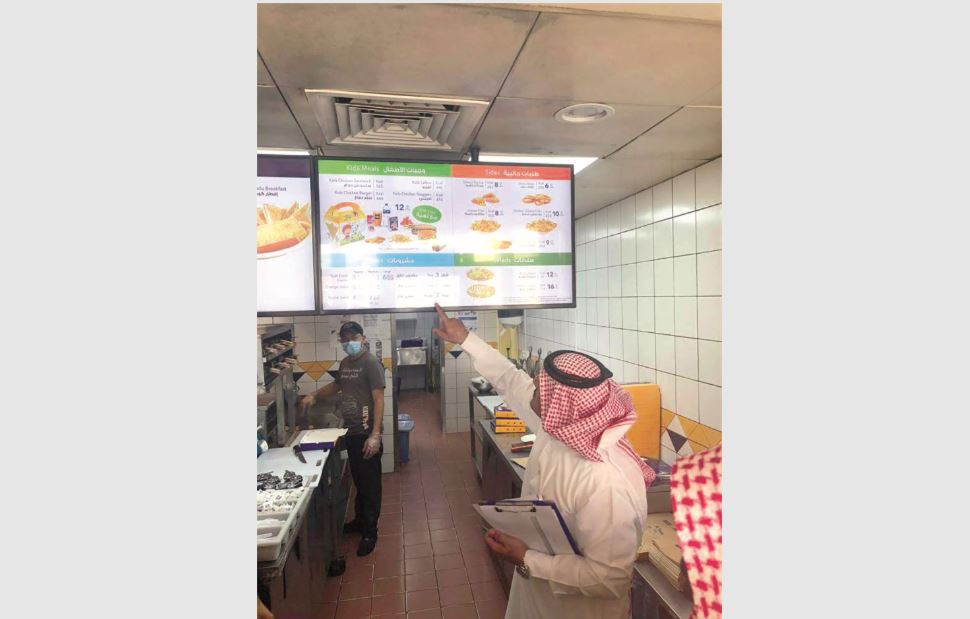
A Saudi restaurant with all details exhibited including calorie count
The aim of the initiative was to help consumers make informed decisions on meals or snacks. Some foods have little nutritional content, and are high on sodium, sugar and saturated fat – all linked to obesity.
Mr Al Salloom, who is also chairman of the Bahrain Small and Medium Enterprises Development Society, said the government was forcing everyone to put calorie labels on canned foods and beverages sold in supermarkets.
“That should also be the case with prepared foods and beverages in restaurants and cafés with ingredients, calories and allergies labelled.”
He claimed that the Standards and Metrology Directorate, which develops national technical regulations, did not have calorie charts for reference – meaning the consumer protection directorate responsible for inspections had no point of reference.
“Cafés and restaurants should conduct a thorough audit of all menu items to ensure all ingredients are accurately listed,” said Mr Al Salloom.
“Staff should be trained on the importance of food labelling and how to communicate effectively with customers about their menu choices.
“Implementing these measures will help maintain a high standard of food safety and customer service, contributing to the overall success of the whole foods and beverages sector.”
Start implementing labelling now
For those fearing that their secret ingredients would be stolen when displayed, they could have the patents registered with either the Industry and Commerce Ministry or the Information Affairs Ministry.
Mr Al Salloom said labelling for allergens is not just a courtesy – it’s a critical component of food safety and consumer protection in restaurants and cafés.
“With a significant portion of the population suffering from food allergies, correctly identifying and labelling allergenic ingredients can prevent adverse reactions, which in some cases, might be life-threatening.
“The main allergens include milk, eggs, fish, shellfish, tree nuts, peanuts, wheat and soybeans – often referred to as the ‘Big Eight’.”
mohammed@gdnmedia.bh
&uuid=(email))