

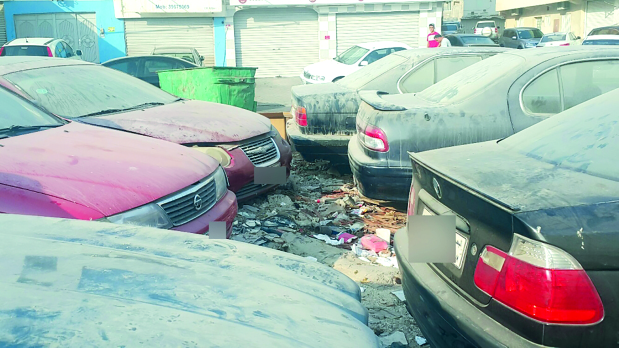
A MUNICIPAL council chief has called for a balanced approach to resolve violations, especially those concerning water wastage and abandoned vehicles in public places.
Under the 2019 Public Cleanliness Law warnings are issued and penalties imposed for the violations, with the fines reaching up to BD300 in certain cases.
While a section of the public has supported these administrative measures, some residents have voiced strong objections, arguing that fines were imposed without sufficient opportunities for review or corrective action.
Northern Municipal Council chairman Dr Sayed Shubbar Al Wedaie acknowledged the growing public concern and stressed the need for a balanced approach in enforcing municipal laws.

Dr Al Wedaie
“We understand that violations such as water wastage and vehicle abandonment must be addressed, as they negatively impact public spaces and infrastructure,” he said.
“However, we also believe in fair procedures that allow individuals to rectify their situations before being penalised.
“The goal should be compliance, not mere punishment.”
The chairman of Bahrain’s biggest municipal council explained that his office had received numerous complaints from residents regarding water misuse, particularly from individuals who washed their cars and homes, causing water to flood the streets.
“Some residents argued that such activities were unavoidable, questioning how they could clean their properties without some level of water runoff.”
However, Dr Al Wedaie countered that such practices disregard public rights and the environmental impact of chemical-laden wastewater seeping into the roads.

Action against wasting water
“The uncontrolled flow of water mixed with detergents contributes to the deterioration of asphalt layers, accelerating road damage and increasing maintenance costs,” he noted.
While some residents objected to the fines, others demanded stricter enforcement, lodging complaints about excessive water runoff and abandoned vehicles affecting their neighbourhoods.
Dr Al Wedaie highlighted that neglected vehicles not only disrupt public spaces but also degrade the aesthetic and urban appeal of both villages and cities.
“Leaving vehicles abandoned in public areas is a violation of road regulations and a direct infringement on community rights,” he asserted.
“It affects the overall cleanliness and image of our towns, and it is our responsibility to uphold standards that benefit everyone.”
Dr Al Wedaie confirmed that the council had engaged in discussions with executive authorities to ensure that procedures remain transparent and considerate of public concerns.
“We believe in the importance of adhering to legal frameworks, but we also recognise the need for procedural flexibility,” he stated.
“Our role is to advocate for practical enforcement mechanisms that encourage compliance rather than simply issuing penalties without due process.”
Dr Al Wedaie urged all residents to work together in maintaining public cleanliness and respecting municipal regulations.
“Our goal is not to impose hardships on people, but to foster a culture of responsibility,” he said.
“By working together, we can ensure that our streets remain clean, our infrastructure remains intact and our communities continue to thrive.”
The matter will be now reviewed by Municipalities Affairs and Agriculture Minister Wael Al Mubarak, who has been asked for opinions from Parliament and the Shura Council.
mohammed@gdnmedia.bh
&uuid=(email))