

Bahrain is stepping up scrutiny of food products sold across the kingdom – particularly those aimed at children – in response to mounting global concerns over additives linked to hyperactivity and attention disorders.
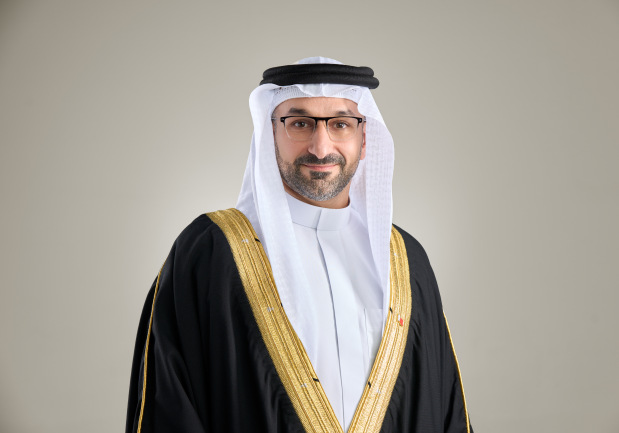
Industry and Commerce Minister Abdulla bin Adel Fakhro confirmed that the government is working closely with health authorities to ensure all imported and locally produced food items comply with stringent safety standards.
His remarks came in a written response to a parliamentary question from Shura Council woman and child committee chairwoman Ejlal Bubshait, who had sought clarification on the steps being taken to prevent harmful additives from reaching young consumers.
The minister emphasised that the Industry and Commerce Ministry works hand in hand with the Public Health Directorate at the Health Ministry to ensure that products entering the market contain no harmful substances.
“The safety of children and families is a shared responsibility,” Mr Fakhro noted.
“We co-ordinate closely with the Health Ministry to ensure every food product complies with national, Gulf and international standards before it reaches store shelves.”
He stressed that inspectors verify ingredient lists, additives and ensure food establishments meet all required hygiene and safety conditions.
In response to concerns regarding additives linked to behavioural effects, Mr Fakhro confirmed that the government is prepared to introduce new restrictions where necessary.
“We are monitoring all scientific studies and global notifications related to food additives very closely,” he said.
“When evidence suggests a substance may pose a risk to public health or children’s behaviour, we conduct a full risk assessment with our partners.”
Based on these assessments, the ministry may recommend regulating or prohibiting the use of specific substances.
Enforcement will then be carried out through the competent regulatory authorities to ensure full compliance in local markets.
Several health experts globally have raised alarm over additives like artificial colours, benzoates and phthalates, which, they believe, may harm children by disrupting hormones, impairing development or affecting behaviour and mood.
Some of the artificial food colourings including specific dyes like tartrazine (E102), Quinoline Yellow (E104), Sunset Yellow (E110), and Allura Red AC (E129), could pose a danger, particularly when consumed in large quantities through sweets and soft drinks, the experts noted.
Preservatives like Benzoates (E210–E219), especially sodium benzoate (E211), found in soft drinks, are also a concern, they stressed.
Mr Fakhro explained that the responsibility for maintaining food safety begins with Bahrain’s National Standards Authority, operating under the Industry and Commerce Ministry.
The authority’s Inspection and Metrology Directorate develops and adopts local standards in line with Gulf, regional and international benchmarks.
“Our standards are not created in isolation,” the minister said.
“They are the product of co-ordinated technical committees that work closely with international bodies to ensure Bahrain keeps pace with global scientific findings and food safety requirements.”
Local committees study food safety regulations, packaging guidelines, transportation requirements, and mandatory compliance rules before these standards are approved by the National Committee for Standards and Metrology.
Decisions are then published in the Official Gazette under Law No Nine of 2016, recently amended by Law No 27 of 2025.
Mr Fakhro reaffirmed the ministry’s commitment to working with legislators to advance national food safety goals.
“Protecting the health of our children and supporting consumer confidence will always remain a top priority,” he added.
mohammed@gdnmedia.bh
&uuid=(email))