

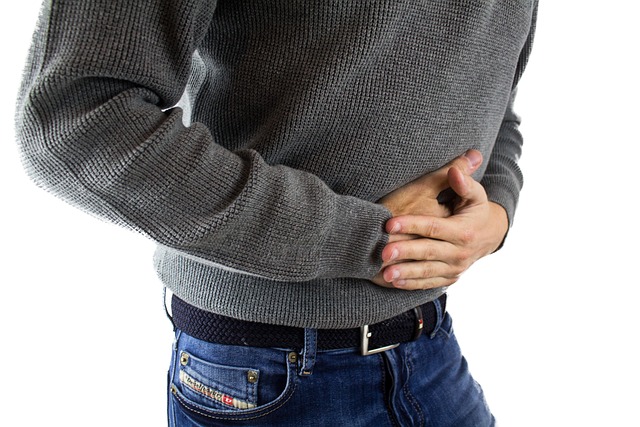
It feels incredibly frustrating to do everything right and still end up feeling like an inflated balloon. Most people assume bloating is caused by processed and junk foods, but for many, even massive portions of raw salads can irritate and overwhelm the gut.
While high fibre diets are often promoted these days as the universal cure for digestive issues, ‘this more is better’ approach can backfire.
The standard advice given these days on social media is to eat massive amounts of raw salads as a healthy diet. But raw salads and vegetable juices can cause flatulence, bloating and indigestion. For those with compromised gut health and especially people suffering from a leaky gut and those having low stomach acid, this strategy might be doing more harm than good.
Many people try to attempt to hit their fibre goals through salads alone. But one can’t reach their daily minimum fibre limit of 30 grams in this manner. Fibre can be obtained from eating avocadoes, flaxseeds, fruits, sprouts and legumes too.
If your gut motility is slow, all that healthy fibre sits in your digestive tract and ferments, producing gas, before it can move through.
Remember bloating is less about food quantity and more about:
How your body digests
How your gut bacteria behave
How your hormones fluctuate
How stress impacts your gut
How your metabolism responds
Your gut contains trillions of bacteria that help to break down food. When this balance is disturbed, bloating becomes a daily companion. Even healthy foods like beans, legumes, high-fibre fruits and vegetables, cruciferous vegetables and fermented foods can cause bloating if your gut bacteria are not balanced.
If the proportion of bad bacteria is higher than the good bacteria, then food will ferment, leading to gas and cause bloating and discomfort.
If you find yourself getting bloated after meals, then take a walk as it will stimulate digestion. Light yoga poses such as vajrasana can help release trapped gas and reduce flatulence.
Herbal teas such as peppermint tea, ginger tea, fennel tea and chamomile tea can relax the stomach muscles.
Applying a hot water bottle to the abdomen can also reduce discomfort.
As a health coach, I suggest dietary and lifestyle changes to my clients.
Most importantly, eat food slowly.
Chew your food thoroughly and avoid talking while chewing to limit swallowing air.
Limit beans, lentils, cabbage and onions as they can cause bloating in some people.
Cut back on fizzy drinks as they too cause bloating.
Make sure to increase your fibre intake slowly and gradually. Stay hydrated by sipping water throughout the day.
Ultimately, true health is more than a checklist of healthy foods – it’s about how your unique body processes them. If you are eating well but still feel miserable, the issue likely isn’t your effort, but your gut’s readiness.
Stop fighting your body and start listening to it.
Perrin, The Holistic Health coach
(Specialising in GUT health)
&uuid=(email))