

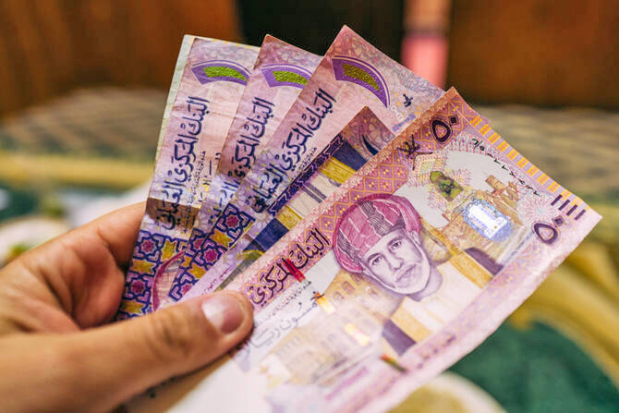
Oman’s economy grew 2.3 per cent in 2025, supported by steady expansion in non-oil sectors and a rebound in natural gas activity, official data showed.
Gross domestic product at current prices reached 42.14 billion Omani rials ($109.88bn) for the full year, according to the National Centre for Statistics and Information (NCSI).
Growth accelerated in the fourth quarter, with GDP rising 4.6pc year on year to about 11.06bn rials, reflecting stronger activity across both hydrocarbon and non-hydrocarbon sectors.
The data points to improving economic resilience as the sultanate presses ahead with fiscal reforms and efforts to reduce reliance on hydrocarbons.
In January, the International Monetary Fund said Oman’s reform programme is strengthening economic stability and supporting a favourable outlook, highlighting continued progress in fiscal consolidation and structural changes.
NCSI revealed that oil activities in the country witnessed a 4.6pc increase in the fourth quarter of 2025, reaching 3.51bn rials.
The value of the natural gas sector increased by 69.2pc year on year in the fourth quarter to 858.70 million rials.
Conversely, the value of the crude oil sector declined by 6.9pc to reach 2.65bn rials.
The country’s non-oil sector maintained a strong performance, growing by 4.8pc in the fourth quarter, reflecting steady economic diversification.
The agriculture and fishing sector recorded growth of 5.9pc in the fourth quarter, while industrial activities rose by 0.7pc.
The services sector also grew by 6.4pc in the fourth quarter compared to the year-ago period.
In December, the IMF said that GCC economies are expected to maintain growth momentum despite rising global uncertainty, underpinned by strong non-oil activity, solid domestic demand, and ongoing structural reforms.
Across the Middle East and North Africa region, growth is expected to accelerate from 2.6pc in 2024 to 3.5pc in 2025 and 3.8pc in 2026, the IMF added.
However, these projections were made before the recent escalation of the US- and Israel-led war with Iran, which has driven up energy prices and is expected to weigh on global and regional growth depending on its duration and severity.
The IMF has warned that prolonged disruptions linked to the conflict could increase inflation and reduce output, with Gulf economies potentially facing slower growth as energy market volatility intensifies.
&uuid=(email))